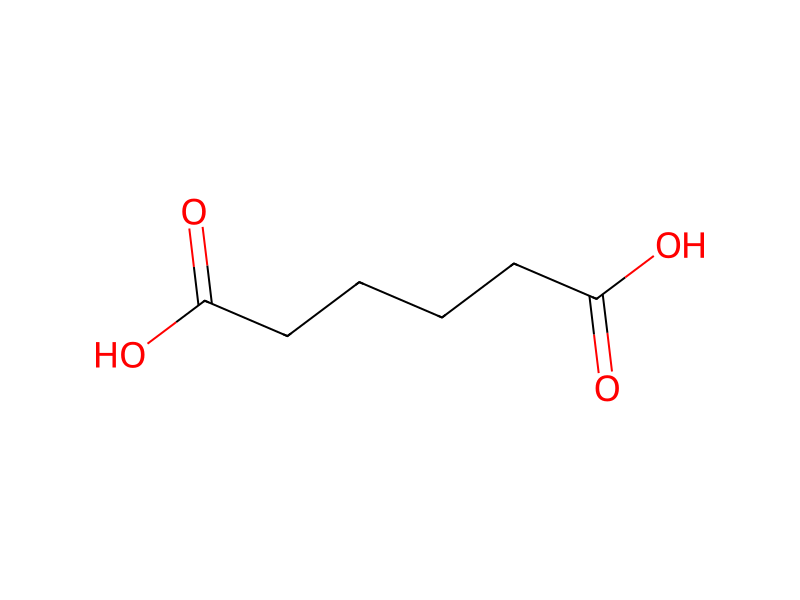
91 Parts of finely ground 2,4-dinitro-aniline together with 73 parts of adipic acid, 10 parts of a commercial-type nickel catalyst and 400 parts by volume of water were charged into a hydrogenation autoclave. After the autoclave had been sealed, hydrogenation was effected in the usual manner at a temperature ranging from 60 to 100° C., while keeping the hydrogen pressure constant for about half an hour after the end of hydrogenation. For evidencing 1,2,4-triamino-benzene obtained, residual hydrogen was released, and the mixture was freed from the catalyst by filtration through a pressure filter under 20 atmsg. nitrogen and the filtrate passed into another flask flushed with nitrogen. The urea compound was prepared as described in Example 1. 62 Grams of a compound having a melting point higher than 335° C. were obtained. The following table shows accordance of the analytical data with the calculated values of the formula