Borane → 3-Bromo-5-chlorophenol
Reaction equation

CP(C)CCP(C)C.[Br:9][C:10]1[CH:11]=[C:12]([Cl:16])[CH:13]=[CH:14][CH:15]=1.[B]1OC(C)(C)C(C)(C)[O:18]1.B.OOS([O-])=O.[K+]>CC(C)=O.O.C1CC=CCCC=C1.C1C=C[C]2[CH][CH][CH][C]2C=1.[Ir]>[Br:9][C:10]1[CH:15]=[C:14]([OH:18])[CH:13]=[C:12]([Cl:16])[CH:11]=1Participants
Reactant 5
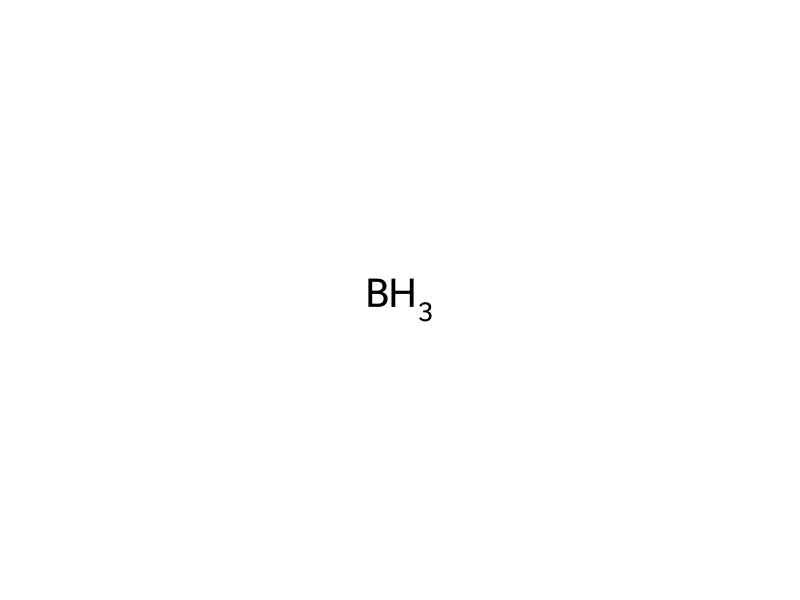


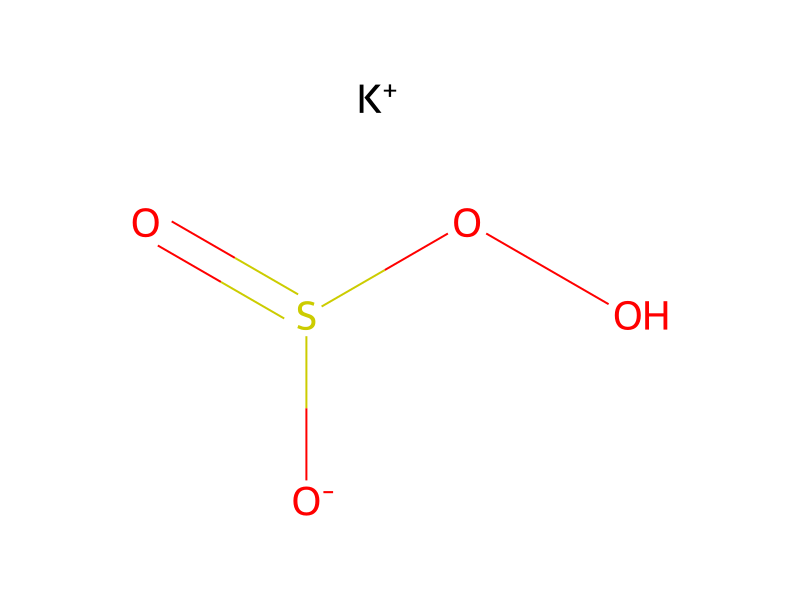
Product 1

Reagents, catalysts & solvents 3



Conditions
- Temperature
- 150 °C
Procedure
Under an atmosphere of dry nitrogen, 103 mg 1,5-cyclooctadiene(H5-indenyl)iridium (I) was put in a 25 mL Pyrex bottle. Subsequently were added 0.04 mL 1,2-bis(dimethylphosphino)ethane, 0.61 mL 3-bromochlorobenzene and 1.52 mL pinacolborane. The mixture was stirred at 150° C. for 3.5 h. After cooling to room temperature, the borane adduct was taken up in 17 mL acetone to give a clear solution. This solution was added slowly to 17.41 mL of a 0.30 M solution of oxone in water cooled in an ice bath. The mixture was stirred vigorously for 15 min. at room temperature and extracted three times with DCM. The combined organic phases were dried over Na2SO4 and evaporated to dryness. The residue was purified by flash chromatography (DCM) to yield 750 mg (62%) of a beige solid. 1H NMR complies with known data (compound (1), Maleczka, 2003).
Workup
- temperatureAfter cooling to room temperature
- customto give a clear solution
- temperaturecooled in an ice bath
- stirringThe mixture was stirred vigorously for 15 min. at room temperature
- extractionextracted three times with DCM
- dry with materialThe combined organic phases were dried over Na2SO4
- customevaporated to dryness
- customThe residue was purified by flash chromatography (DCM)
Sources & evidence
- ORD record
- ord-97150a3b1f58414499f4b9460bae2055
- Source dataset
- uspto-grants-2014_12
- Patent number
- US08901108B2
Reaction notes
Loading…