Methanol → HCID 66759374, compound
HRID 1402773
Reaction equation

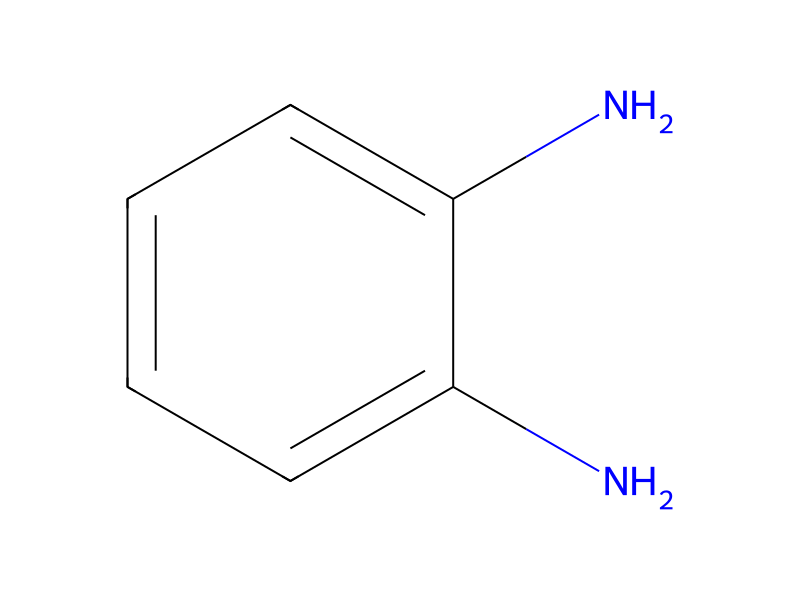
[C:1]1([NH2:8])[CH:6]=[CH:5][CH:4]=[CH:3][C:2]=1[NH2:7].[Cl:9][C:10]1[CH:15]=[CH:14][C:13]([CH:16]2[CH2:22][C:21](=[O:23])[O:20][C:18](=[O:19])[CH2:17]2)=[CH:12][CH:11]=1.CO>O1CCOCC1>[NH2:7][C:2]1[CH:3]=[CH:4][CH:5]=[CH:6][C:1]=1[NH:8][C:21](=[O:23])[CH2:22][CH:16]([C:13]1[CH:12]=[CH:11][C:10]([Cl:9])=[CH:15][CH:14]=1)[CH2:17][C:18]([OH:20])=[O:19]Participants
5
Reactant 3


Product 1

Reagents, catalysts & solvents 1

Procedure
The solution of commercial 1,2-phenylenediamine (1.08 g) and 3-(4-chlorophenyl)glutaric anhydride (2.25 g) in 1,4-dioxane (7 ml) was stirred at rt for 10 min. A voluminous precipitate is formed which is kept at rt for further 50 min. The thick slurry is heated to reflux with methanol, cooled to rt, isolated by suction filtration, and washed with methanol. After drying in vacuo N-(2-aminophenyl)-3-(4-chlorophenyl)glutaramic acid (2.1 g) is obtained as off-white solid.