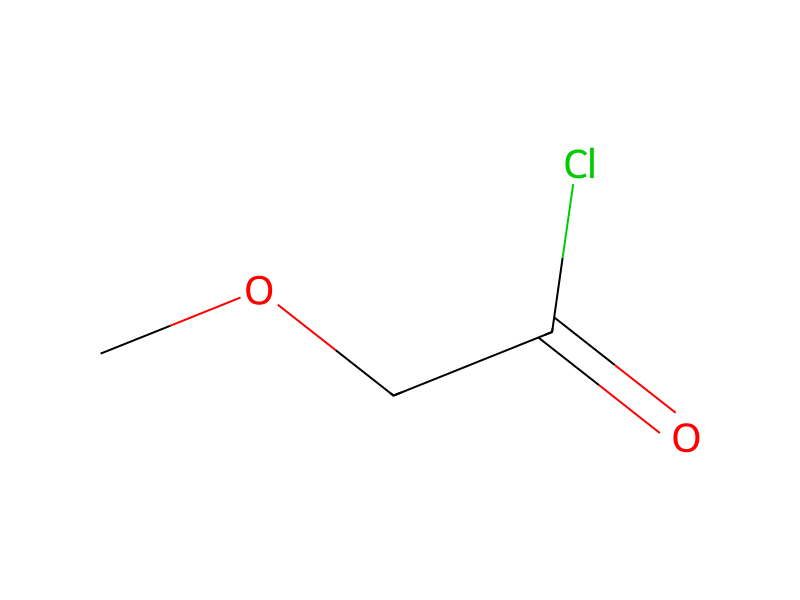
Methoxyacetyl chloride → (R)-5-chloro-N-(5-chlorothiazol-2-yl)-1'-(2-methoxyacetyl)spiro[indoline-3,3'-pyrrolidine]-1-carboxamide
HRID 1411245
Reaction equation

[Cl:1][C:2]1[CH:3]=[C:4]2[C@@:10]3([CH2:14][CH2:13][NH:12][CH2:11]3)[CH2:9][N:8]([C:15]([NH:17][C:18]3[S:19][C:20]([Cl:23])=[CH:21][N:22]=3)=[O:16])[C:5]2=[CH:6][CH:7]=1.BrC1C=C2C3(CCNC3)CN(C(NC3SC(Cl)=CN=3)=O)C2=CC=1.[CH3:47][O:48][CH2:49][C:50](Cl)=[O:51]>>[Cl:1][C:2]1[CH:3]=[C:4]2[C@@:10]3([CH2:14][CH2:13][N:12]([C:50](=[O:51])[CH2:49][O:48][CH3:47])[CH2:11]3)[CH2:9][N:8]([C:15]([NH:17][C:18]3[S:19][C:20]([Cl:23])=[CH:21][N:22]=3)=[O:16])[C:5]2=[CH:6][CH:7]=1Participants
4