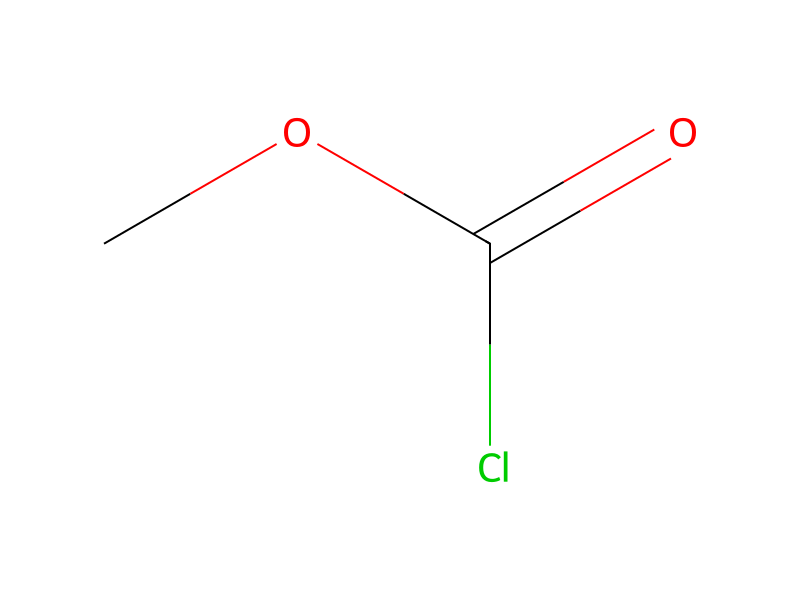
Methyl chloroformate → Methyl 5-fluoro-1-((5-fluorothiazol-2-yl)carbamoyl)spiro[indoline-3,3'-pyrrolidine]-1'-carboxylate
Reaction equation

Cl.[NH2:2][C:3]1[S:4][C:5]([F:8])=[CH:6][N:7]=1.[F:9][C:10]1[CH:11]=[C:12]2[C:18]3([CH2:22][CH2:21][N:20]([C:23]([O:25][C:26](C)(C)C)=[O:24])[CH2:19]3)[CH2:17][NH:16][C:13]2=[CH:14][CH:15]=1.Cl[C:31](OC)=[O:32]>>[F:9][C:10]1[CH:11]=[C:12]2[C:18]3([CH2:22][CH2:21][N:20]([C:23]([O:25][CH3:26])=[O:24])[CH2:19]3)[CH2:17][N:16]([C:31](=[O:32])[NH:2][C:3]3[S:4][C:5]([F:8])=[CH:6][N:7]=3)[C:13]2=[CH:14][CH:15]=1Participants
4


Procedure
The captioned compound was obtained in the form of a white solid by performing the same reactions and/or treatments as those in Examples 1, 2, and 3, with the exceptions that 2-amino-5-fluorothiazole hydrochloride was used instead of 2-amino-5-chlorothiazole hydrochloride, that t-butyl 5-fluorospiro[indoline-3,3′-pyrrolidine]-1′-carboxylate was used instead of t-butyl 5-bromospiro[indoline-3,3′-pyrrolidine]-1′-carboxylate, and that methyl chloroformate was used instead of acetyl chloride.