HomeMCPWorkbenchSkills
HomeWorkbenchNotificationsMe
llms.txt · MCP GuidePrivacy Policy · Terms of Service · Supportv1.8.3
  1. Home
  2. /Reaction

Carbon Dioxide → 1-(Methoxymethyl)-3-(1,2,3,4-tetrahydro-1-naphthyl)urea

HRID 1415476
Print

Reaction equation

HRID 1415476 reaction equation
[CH:1]1([NH:11][C:12]([NH2:14])=[O:13])[C:10]2[C:5](=[CH:6][CH:7]=[CH:8][CH:9]=2)[CH2:4][CH2:3][CH2:2]1.[OH-].[Na+].[CH2:17]=O.[C:19](=[O:21])=O>CO>[CH3:17][O:21][CH2:19][NH:14][C:12]([NH:11][CH:1]1[C:10]2[C:5](=[CH:6][CH:7]=[CH:8][CH:9]=2)[CH2:4][CH2:3][CH2:2]1)=[O:13]
ParticipantsProcedureWorkupSources & evidenceReaction notes

Participants

6

Reactant 4

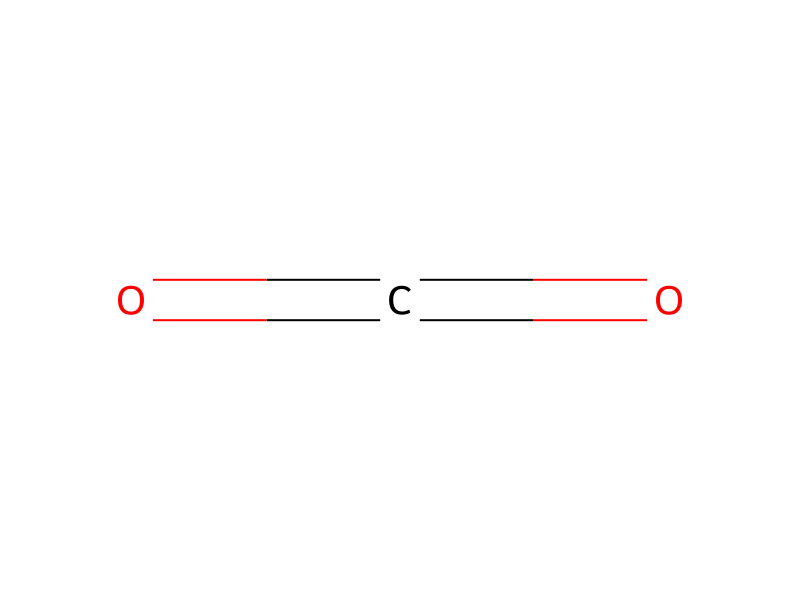
HCID 280Carbon DioxideHCID 712FormaldehydeHCID 14798Sodium HydroxideHCID 13037020(1,2,3,4-Tetrahydronaphthalen-1-yl)urea

Product 1

HCID 213934851-(Methoxymethyl)-3-(1,2,3,4-tetrahydro-1-naphthyl)urea

Reagents, catalysts & solvents 1

HCID 887
Methanol
Solvent

Procedure

A solution of 7.6 grams (0.04 mole) of (1,2,3,4-tetrahydro-1-naphtyl)urea, 2.0 grams of sodium hydroxide and 2.2 grams of para-formaldehyde in 150 ml. of methanol is stirred at reflux temperature for 10 hours. The reaction mixture is cooled and neutralized with dry ice. The solvent is evaporated at reduced pressure. The residue is treated with water, the mixture filtered, and the filter cake washed with water and dried to give 8.2 grams of product, melting point 124.5° C. to 127.5° C. Recrystallization from methyl isobutyl ketone gives the analytical sample, melting point 136° to 138.5° C.

Workup

  1. temperatureat reflux temperature for 10 hours
  2. temperatureThe reaction mixture is cooled
  3. customThe solvent is evaporated at reduced pressure
  4. additionThe residue is treated with water
  5. filtrationthe mixture filtered
  6. washthe filter cake washed with water
  7. customdried

Sources & evidence

ORD record
ord-47e4f11c75bc486a843b05ce02140fd8
Source dataset
uspto-grants-1977_01
DOI
10.6084/m9.figshare.5104873.v1
Patent number
US04005140

Reaction notes

On this pageParticipantsProcedureWorkupSources & evidenceReaction notes