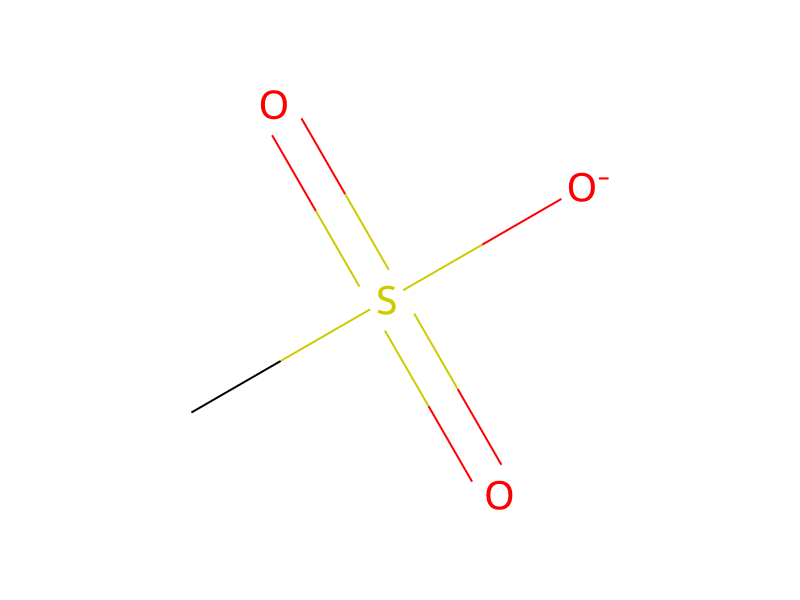
[NH2:1][N:2]=[CH:3][NH:4][C:5]1[CH:13]=[CH:12][C:8]([C:9]([OH:11])=[O:10])=[CH:7][CH:6]=1.CS([O-])(=O)=O.[C:19]([C:22]1[CH:23]=[C:24]2[C:29](=[CH:30][CH:31]=1)[C:28]([CH2:32][CH2:33][C:34](=[O:36])[NH2:35])=[C:27](O)[CH:26]=[CH:25]2)(=[NH:21])[NH2:20].C1CCC(N=C=NC2CCCCC2)CC1>CO.N1C=CC=CC=1>[NH2:1][N:2]=[CH:3][NH:4][C:5]1[CH:13]=[CH:12][C:8]([C:9]([O:11][C:27]2[CH:26]=[CH:25][C:24]3[C:29](=[CH:30][CH:31]=[C:22]([C:19](=[NH:20])[NH2:21])[CH:23]=3)[C:28]=2[CH2:32][CH2:33][C:34](=[O:36])[NH2:35])=[O:10])=[CH:7][CH:6]=1100 Milliliters of 20% hydrous pyridine was added to 3.16 g of 4-aminoiminomethylaminobenzoic acid.methanesulfonate, 2.94 g of 6-amidino-1-(2-carbamoylethyl)-2-naphthol and 4.54 g of DCC, followed by stirring for 2 hours under cooling with ice and 24 hours at room temperature. The precipitate was filtered and the filtrate was concentrated under reduced pressure. To the residue was added 20 ml of DMF. The resulting solution was added dropwise to 500 ml of acetone, followed by stirring for 24 hours under cooling with ice. Then, the precipitate was collected by filtration to obtain a crude product. To the collected precipitate was added 150 ml of methanol to dissolve the precipitate. To the solution was added 3 g of active carbon, followed by stirring for 30 minutes at room temperature. Insoluble matter was filtered off and the filtrate was concentrated under reduced pressure. To the residue was added 30 ml of methanol to dissolve the residue with heating. The resulting solution was added dropwise to 400 ml of acetone, followed by stirring for 24 hours under cooling with ice. Then, the precipitate was collected by filtration to obtain 2.5 g of the desired product.