Reaction equation

C([O:4][C@H:5]1[C@H:10]([O:11][C:12](=[O:14])[CH3:13])[C@@H:9]([CH2:15][O:16][C:17](=[O:19])[CH3:18])[O:8][CH:7]=[CH:6]1)(=O)C>P([O-])([O-])([O-])=O>[C:12]([O:11][C@@H:10]1[C@@H:9]([CH2:15][O:16][C:17](=[O:19])[CH3:18])[O:8][CH:7]=[CH:6][C@H:5]1[OH:4])(=[O:14])[CH3:13]Participants
3


Reagents, catalysts & solvents 1
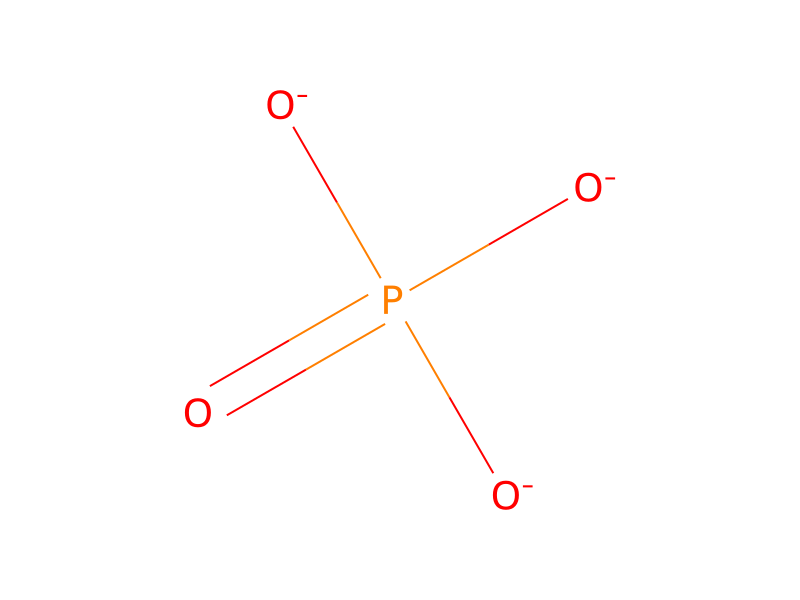
Procedure
7.0 g (30 mmol) of tri-O-acetylglucal in 70 ml of 0.25M phosphate buffer (pH=7) are stirred with 7 g of lipase from Pseudomonas spec. (lipase P, from Amano Pharmaceutical Co., Ltd., Nagoya, Japan) (free or immobilized on SiO2) at room temperature. After the reaction is complete (about 5-7 h) the reusable enzyme is separated off. The desired 4,6-di-O-acetylglucal is obtained either by extraction of the aqueous solution with CHCl3 or ethyl acetate or after freeze-drying and subsequent taking up in organic solvents such as ethyl acetate and filtering off the insoluble concomitants, The 4,6-di-O-acetylglucal which results in about 90% yield can be used without further purification for further reactions.
Workup
- customat room temperature
- custom(about 5-7 h)
- customis separated off
Sources & evidence
- ORD record
- ord-85c8cc593c5a4b6fa81b4322a16c1008
- Source dataset
- uspto-grants-1996_03
- Patent number
- US05496930
Linked notes
Loading…