HomeMCPWorkbenchSkills
HomeWorkbenchNotificationsMe
llms.txt · MCP GuidePrivacy Policy · Terms of Service · Supportv1.8.3
  1. Home
  2. /Reaction

Phenolate Sodium → Carbonate Ion

HRID 14418
Print

Reaction equation

HRID 14418 reaction equation
[O-:1][C:2]1[CH:7]=[CH:6][CH:5]=[CH:4][CH:3]=1.[Na+].[C:9](=[O:13])([O-:12])[O:10]C.C(=O)(OCC)OC/C=C/C1C=CC=CC=1>CCOCC>[O-:1][C:2]1[CH:7]=[CH:6][CH:5]=[CH:4][CH:3]=1.[C:9](=[O:10])([O-:13])[O-:12]
ParticipantsProcedureWorkupSources & evidenceReaction notes

Participants

6

Reactant 3

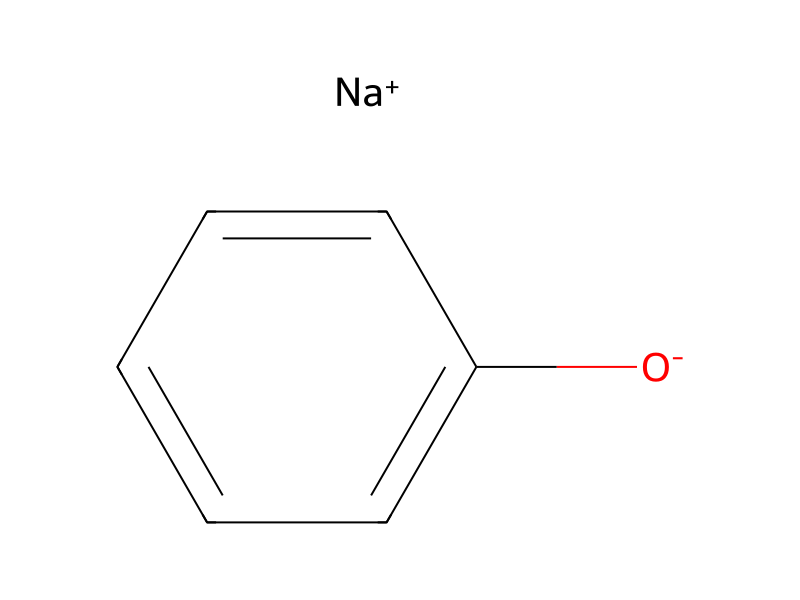
HCID 4445035Phenolate SodiumHCID 4585885MethylcarbonateHCID 5355242Cinnamyl ethyl carbonate

Product 2

HCID 19660Carbonate IonHCID 119047Phenolate

Reagents, catalysts & solvents 1

HCID 3283Diethyl EtherSolvent

Procedure

Alkali metal phenoxides as nucleophiles proved to be superior to the combination of phenol and amine base. Sodium phenoxide furnished the corresponding allylation product with high regio- and enantioselectivity (Table 6, entries 4-6). Reaction of sodium phenoxide with methyl carbonate 1a formed the alkylation product at room temperature in a modest 40% yield because of competing trans-esterification (entry 4), but reactions with the more hindered and less reactive (E)-cinnamyl ethyl carbonate (1b of Table 6) occurred without significant competing transesterification. This combination of phenoxide and carbonate gave the branched ether in good yields with excellent regio- and enantioselectivities after 35 h at room temperature or 17 h at 50° C. (Table 6, entries 5 and 6).

Workup

  1. customformed the alkylation product at room temperature in a modest 40% yield because

Sources & evidence

ORD record
ord-480284fbc3204e66b6bd04bdf6bcd8f1
Source dataset
uspto-grants-2010_06
DOI
10.6084/m9.figshare.5104873.v1
Patent number
US07732365B2

Reaction notes

On this pageParticipantsProcedureWorkupSources & evidenceReaction notes
