Reaction equation

[CH:1]1[C:14]2[CH:13]=[CH:12][C:11]3[C:6](=[CH:7][CH:8]=[CH:9][CH:10]=3)[C:5]=2[CH:4]=[CH:3][CH:2]=1.[S:15](=[O:19])(=[O:18])([OH:17])[OH:16].[Cl-].[Ba+2:21].[Cl-]>>[CH:1]1[C:14]2[CH:13]=[CH:12][C:11]3[C:6](=[CH:7][CH:8]=[CH:9][CH:10]=3)[C:5]=2[CH:4]=[CH:3][C:2]=1[S:15]([O-:18])(=[O:17])=[O:16].[Ba+2:21].[CH:1]1[C:14]2[CH:13]=[CH:12][C:11]3[C:6](=[CH:7][CH:8]=[CH:9][CH:10]=3)[C:5]=2[CH:4]=[CH:3][C:2]=1[S:15]([O-:17])(=[O:19])=[O:16]Participants



Procedure
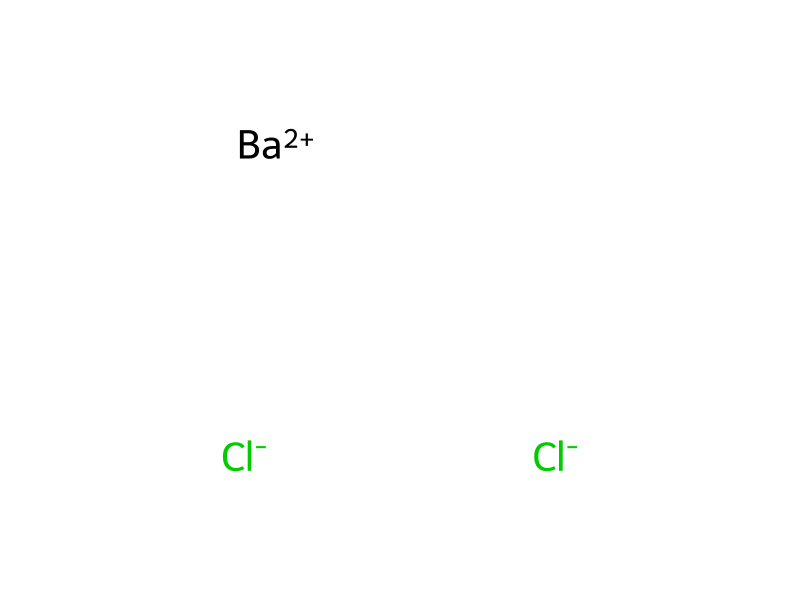
Phenanthrene is sulfonated with concentrated sulfuric acid and then treated with barium chloride to obtain barium 2-phenanthrenesulfonate. The resulting barium salt is subjected to alkali fusion in an electric oven and then treated with hydrochloric acid to obtain 2-phenanthrol. 2-Phenanthrol is subjected to oxidative coupling in the presence of a copper-amine complex to synthesize racemic 1,1'-biphenanthryl-2,2'-diol (I). The resulting diol is reacted with optically active phenylethylamine and thiophosphoryl chloride to afford (±)-N((S)-1-phenylethyl)-1,1'-biphenanthryl-2,2'-diylthiophosphorylamide. Recrystallization of the racemate gives an optically active compound, which is then hydrogenolyzed with a reducing agent, such as lithium aluminum hydride, to give optically active 1,1'-biphenanthryl-2,2'-diol with an optical purity reaching nearly 100%.
Sources & evidence
- ORD record
- ord-1ac5f60fa0fd4454a62a5033dec7d38e
- Source dataset
- uspto-grants-1998_12
- Patent number
- US05849961
Linked notes
Loading…