Reaction equation

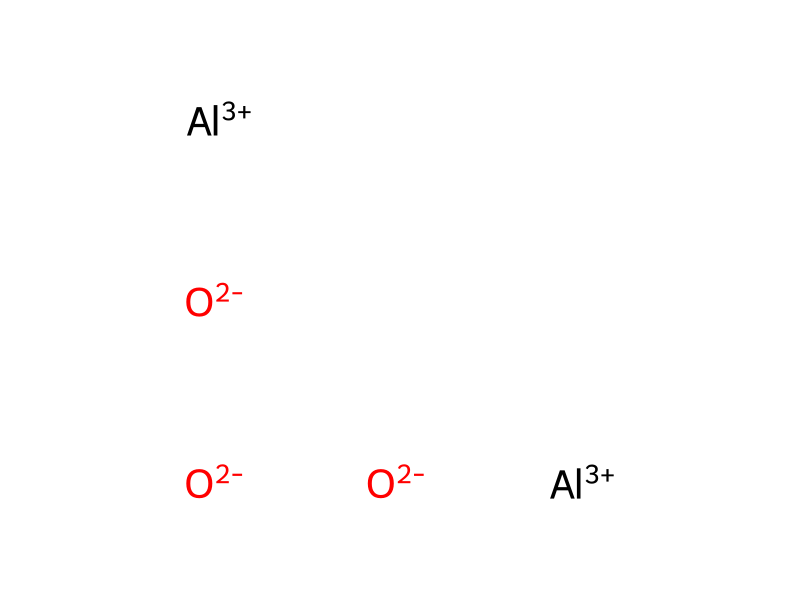
[CH3:1][C:2]1[C:11]2[C:12]3[C:17]([CH2:18][CH2:19][N+:10]=2[CH:9]=[C:8]2[C:3]=1[CH:4]=[CH:5][C:6]1[O:26][CH2:25][O:24][C:7]=12)=[CH:16][C:15]([O:20][CH3:21])=[C:14]([O:22][CH3:23])[CH:13]=3.[Cl-:27].CC1C2C3C(CC[N+]=2C=C2C=1C=CC1OCOC=12)=CC(OC)=C(O)C=3.[O-2].[Al+3].[O-2].[O-2].[Al+3]>>[CH3:1][C:2]1[C:11]2[C:12]3[C:17]([CH2:18][CH2:19][N+:10]=2[CH:9]=[C:8]2[C:3]=1[CH:4]=[CH:5][C:6]1[O:26][CH2:25][O:24][C:7]=12)=[CH:16][C:15]([O:20][CH3:21])=[C:14]([O:22][CH3:23])[CH:13]=3.[Cl-:27]Participants
3


Procedure
10 g of the dehydrocavidine-dehydroapocavidine composition obtained from the above step is mixed with 40 g of the aluminum oxide, and are then added to the top of an aluminum oxide column, and a gradient elution is employed with a solvent system of petroleum ether: ethyl acetate (1:8˜1:15) accompanied by TLC tracking. The eluate containing dehydrocavidine is combined and then is concentrated by decompression to constant weight, resulting in a 1.3 g dehydrocavidine compound and a 1.9 g dehydroapocavidine compound respectively.
Workup
- washa gradient elution
- additionThe eluate containing dehydrocavidine
- concentrationis concentrated by decompression to constant weight
Sources & evidence
- ORD record
- ord-003e6c6105254039b414b09917f627c1
- Source dataset
- uspto-grants-2010_06
- Patent number
- US07732458B2
Linked notes
Loading…