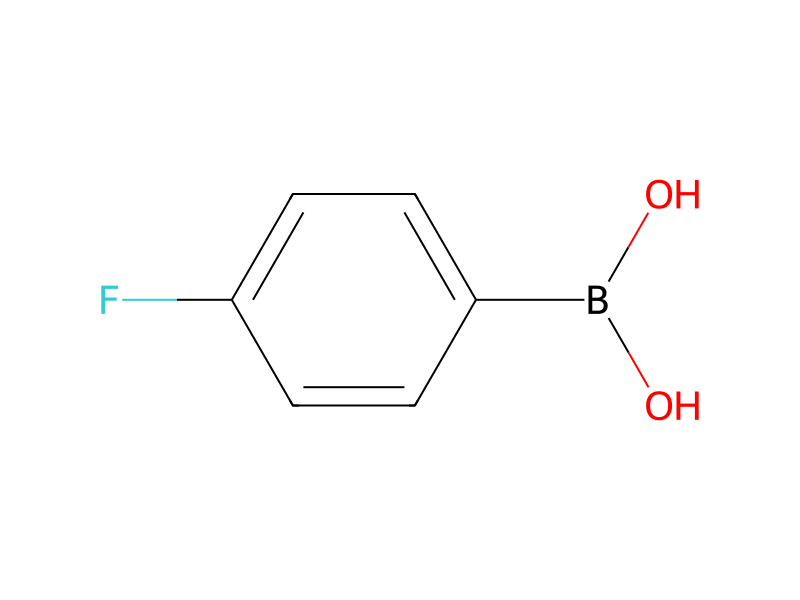
Cl[C:2]1[N:3]=[N:4][C:5]([N:10]2[CH2:15][CH2:14][NH:13][C@H:12]([CH3:16])[CH2:11]2)=[C:6]([CH3:9])[C:7]=1[CH3:8].[F:17][C:18]1[CH:23]=[CH:22][C:21](B(O)O)=[CH:20][CH:19]=1.C1(C)C=CC=CC=1>[Pd].C1(P(C2C=CC=CC=2)C2C=CC=CC=2)C=CC=CC=1.C1(P(C2C=CC=CC=2)C2C=CC=CC=2)C=CC=CC=1.C1(P(C2C=CC=CC=2)C2C=CC=CC=2)C=CC=CC=1.C1(P(C2C=CC=CC=2)C2C=CC=CC=2)C=CC=CC=1.O>[F:17][C:18]1[CH:23]=[CH:22][C:21]([C:2]2[N:3]=[N:4][C:5]([N:10]3[CH2:15][CH2:14][NH:13][C@H:12]([CH3:16])[CH2:11]3)=[C:6]([CH3:9])[C:7]=2[CH3:8])=[CH:20][CH:19]=1To a round bottom flask is added 3-chloro-4,5-dimethyl-6-((R)-3-methyl-piperazin-1-yl)-pyridazine (500 mg, 2.07 mmol), 4-fluorophenylboronic acid (580 mg, 4.15 mmol) sodium carbonate (440 mg, 4.15 mmol), toluene (16 mL) and water (8 mL). The reaction mixture is purged with nitrogen for 20 min. Tetrakis(triphenylphosphine) palladium (50 mg, 0.103 mmol) is added and the mixture is heated to 110° C. for 18 h. The reaction mixture is concentrated and partitioned between ethylacetate and water. It is extracted with ethylacetate twice and the combined organic phases are dried with sodium sulfate and concentrated. It is purified by column chromatography (0-25% methanol/methylene chloride) to give 480 mg of 3-(4-fluoro-phenyl)-4,5-dimethyl-6-((R)-3-methyl-piperazin-1-yl)-pyridazine (83%).