Reaction equation
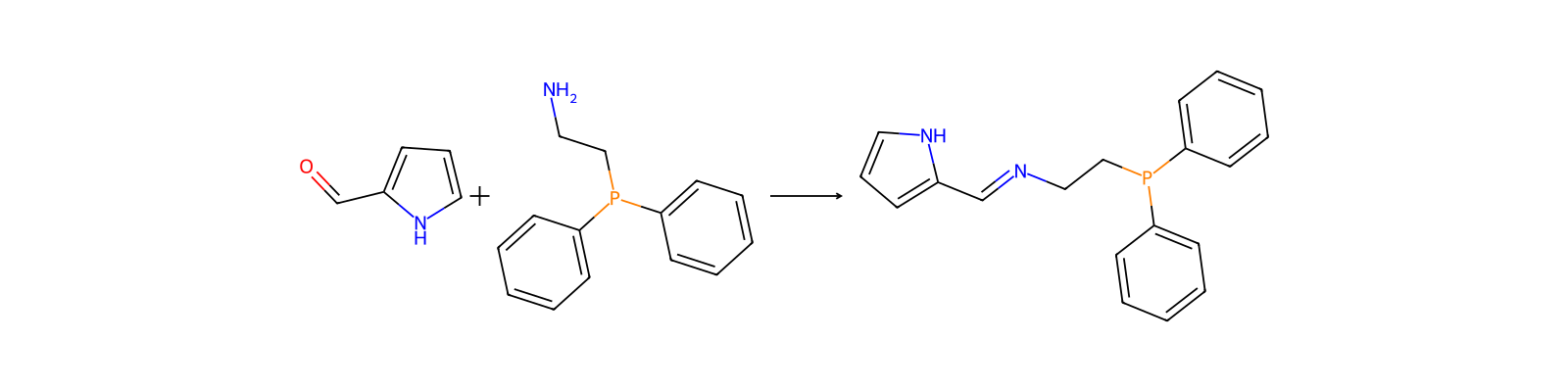
[NH:1]1[CH:5]=[CH:4][CH:3]=[C:2]1[CH:6]=O.[C:8]1([P:14]([C:18]2[CH:23]=[CH:22][CH:21]=[CH:20][CH:19]=2)[CH2:15][CH2:16][NH2:17])[CH:13]=[CH:12][CH:11]=[CH:10][CH:9]=1>>[NH:1]1[CH:5]=[CH:4][CH:3]=[C:2]1[CH:6]=[N:17][CH2:16][CH2:15][P:14]([C:18]1[CH:23]=[CH:22][CH:21]=[CH:20][CH:19]=1)[C:8]1[CH:13]=[CH:12][CH:11]=[CH:10][CH:9]=1Participants
3

Procedure
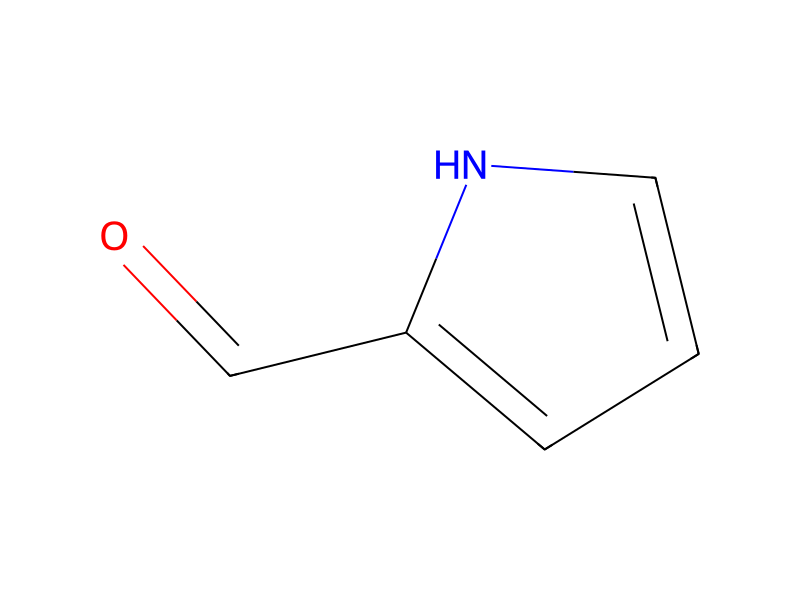
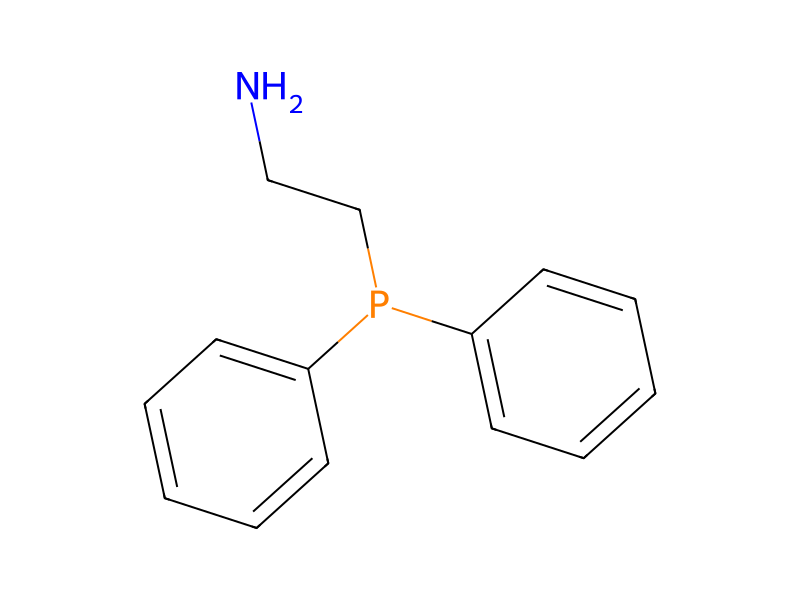
Replicate the preparation of the ligand used in Ex. 7 except use 0.2 g (2.103 mmol) of pyrrole-2-carbaldehyde and use 0.506 g (2.208 mmol) of 2-(diphenylphosphino)ethanamine instead of N1,N1-dimethylethane-1,2-diamine to give 0.640 g (99%) of N-((1H-pyrrol-2-yl)methylene)-2-(diphenylphosphino)ethanamine as a white solid, which is analytically pure by GC-MS and 1H-NMR: 1H NMR (400 MHz, C6D6) δ 9.49 (s, 1H), 7.62 (s, 1H), 7.49-7.32 (m, 5H), 7.11-6.92 (m, 5H), 6.44-6.29 (m, 2H), 6.22-6.14 (m, 1H), 3.58 (td, J=8.8, 1.0 Hz, 2H), 2.37 (dd, J=8.4, 7.1 Hz, 2H).
Workup
- customthe preparation of the ligand
Sources & evidence
- ORD record
- ord-122f633e6fac4bd5a0c00a5fe5a4ed84
- Source dataset
- uspto-grants-2016_08
- Patent number
- US09422375B2
Linked notes
Loading…