Safety information is for reference only and does not replace the supplier’s Safety Data Sheet (SDS), applicable regulations, or professional assessment.
GHS classification
GHS Classification · 5 items
This chemical does not meet GHS hazard criteria for 2.1% (3 of 142) of reports.
P261, P264, P264+P265, P271, P280, P302+P352, P304+P340, P305+P351+P338, P319, P321, P332+P317, P337+P317, P362+P364, P403+P233, P405, and P501 (click each P-code to see the statement)
Aggregated GHS information provided per 142 reports by companies from 11 notifications to the ECHA C&L Inventory. Each notification may be associated with multiple companies.
Hazard information
Regulatory Information · 4 items
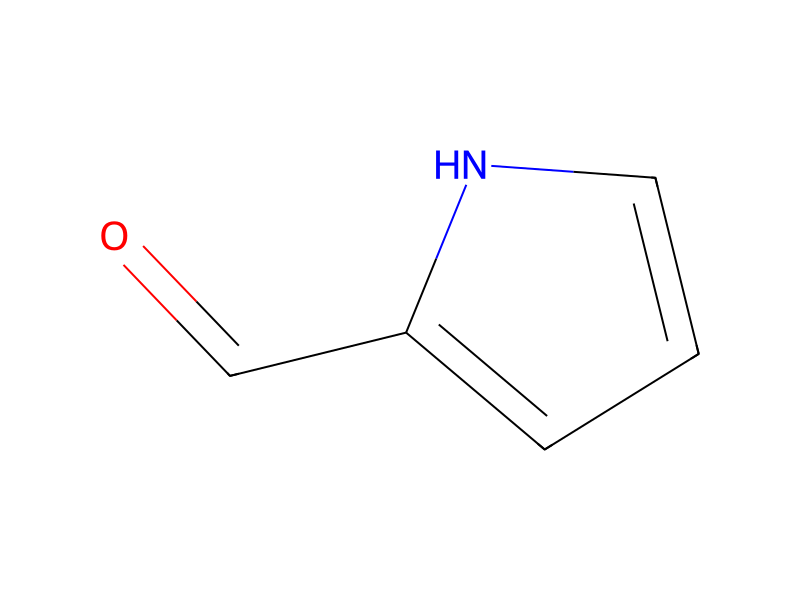
Chemical: 1H-Pyrrole-2-carboxaldehyde
Commission Regulation (EC) No 1565/2000 (Repealed by Com. Implementing Reg. (EU) No 872/2012)
Status: Active Update: 08-04-2020 https://echa.europa.eu/registration-dossier/-/registered-dossier/30816
1H-Pyrrole-2-carboxaldehyde: Does not have an individual approval but may be used under an appropriate group standard
Hazards SummaryA skin and strong eye irritant; [Sigma-Aldrich MSDS]
Hazard Classes and CategoriesSkin Irrit. 2 (97.9%)
Safety data
PPE
dust mask type N95 (US), Eyeshields, Gloves
wgk
3
tsca
TSCA listed
hs_code
2933990099
risk_code
36/37/38
Signal word
Warning
Chemistry & industry
Pharmacology
Cellular LocationsCytoplasm
Uses & manufacturing
Uses · 2 items
A flavoring agent that naturally occurs in almonds, asparagus, coffee, malt, and tea; [ExPub: EFSA]
Use as a flavoring agent no longer supported by industry as of 2013; [EFSA]
General Manufacturing Information1H-Pyrrole-2-carboxaldehyde: ACTIVE
Applications
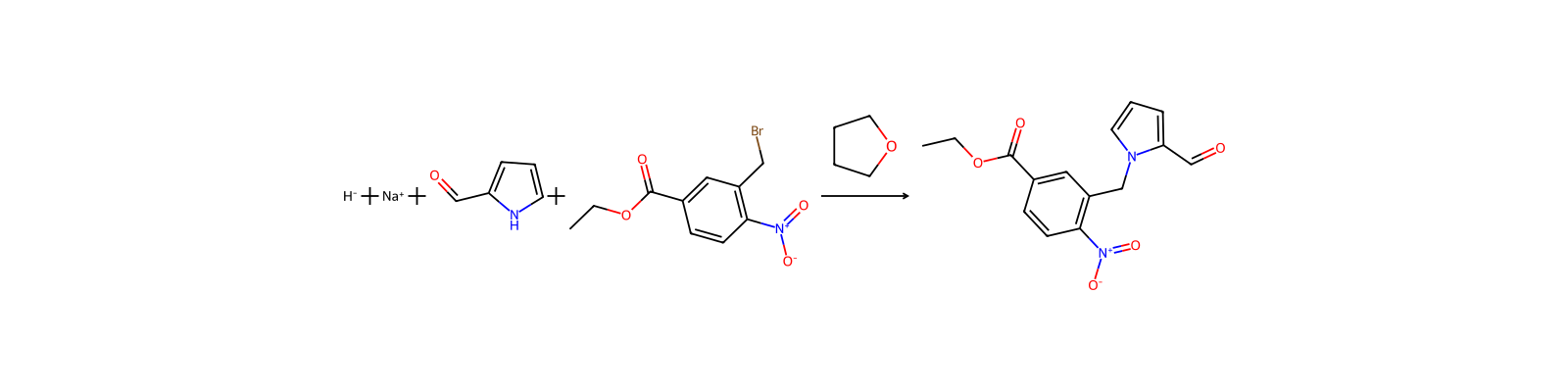
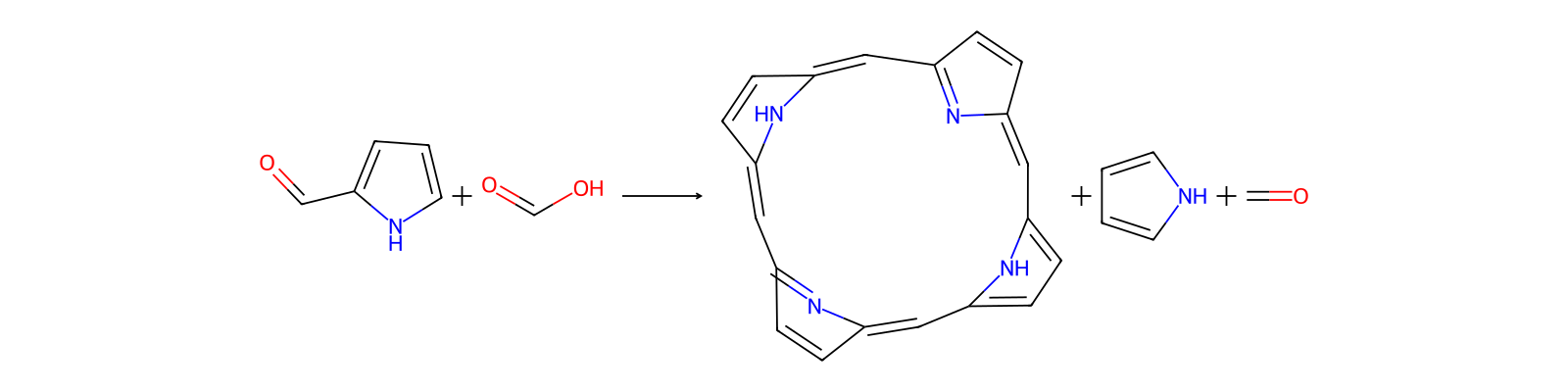
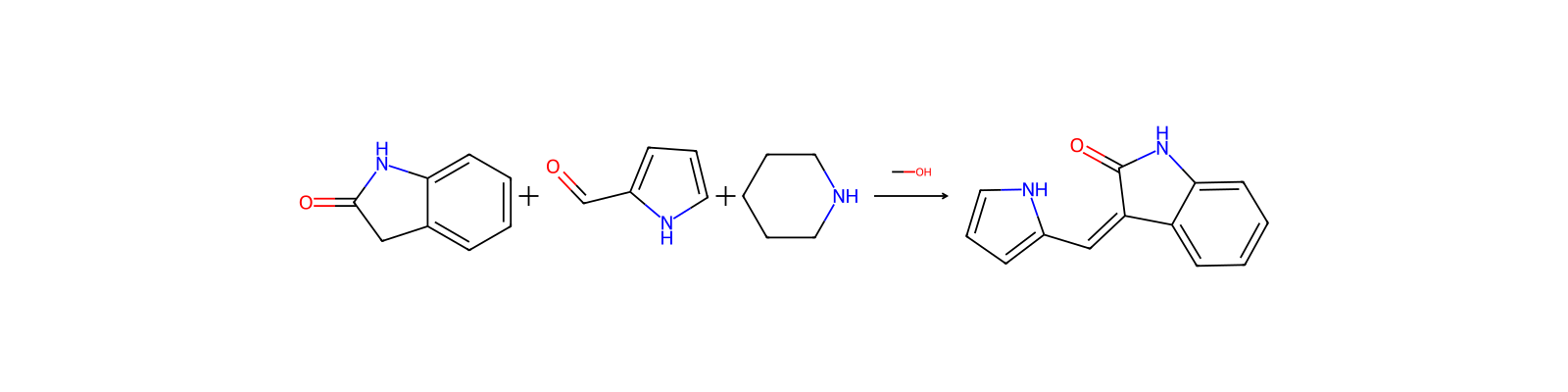
UsesPyrrole-2-carboxaldehyde (cas# 1003-29-8) is a compound useful in organic synthesis.