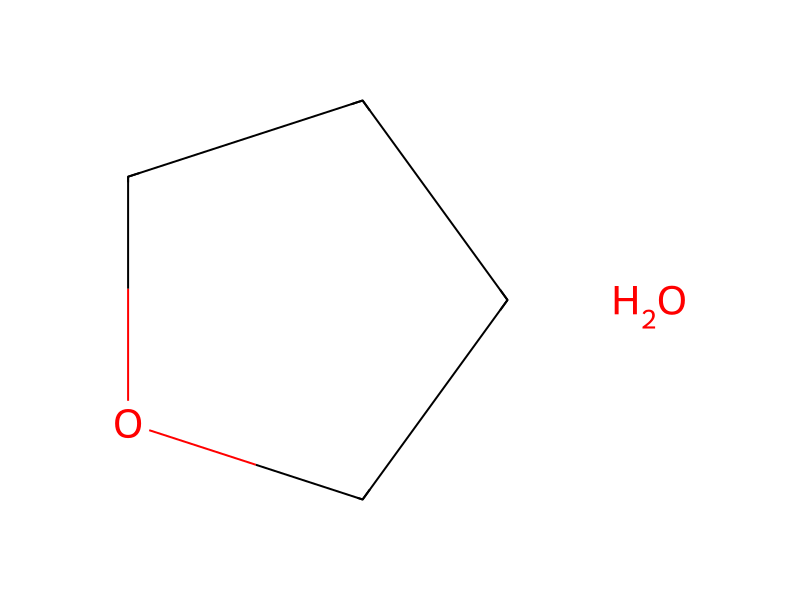
6.5 g (0.021 mol) of the nitro ester prepared as in (b) above was added dropwise to 5 g (0.18 mol) of lithium aluminum hydride suspended in 200 mL of anhydrous diethyl ether, under nitrogen with stirring. The mixture was then refluxed for ten hours. A 50 percent H2O/THF solution was added dropwise and slowly with vigorous stirring until effervescence ceased. 1N sodium hydroxide solution was then added dropwise until the slurry coagulated to a coarse sandy consistency. The mixture was filtered and the solid washed with diethyl ether. The organic fractions were combined, washed with water, dried, filtered and the solvent evaporated off at reduced pressure to afford 4 g (80 percent of theoretical) of the crude product in the form of a gum. The NMR and IR spectra of the product were consistent with the expected structure, and indicated a mixture of the two possible diastereoisomers in a ratio of 2:1.