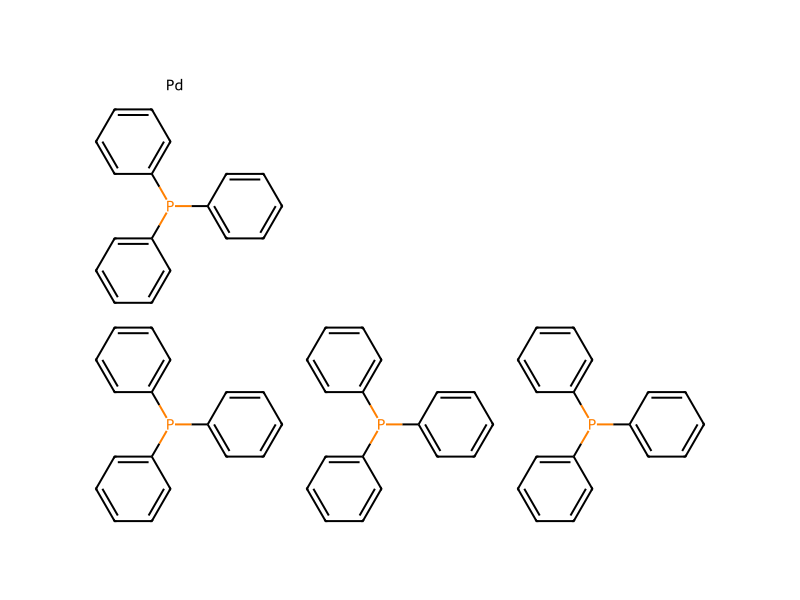
[NH2:1][C:2]1[CH:7]=[CH:6][C:5](Br)=[CH:4][N:3]=1.C([O-])([O-])=O.[Na+].[Na+].[Cl:15][C:16]1[CH:21]=[CH:20][CH:19]=[CH:18][C:17]=1B(O)O>C1C=CC=CC=1.C(O)C.[Pd].C1(P(C2C=CC=CC=2)C2C=CC=CC=2)C=CC=CC=1.C1(P(C2C=CC=CC=2)C2C=CC=CC=2)C=CC=CC=1.C1(P(C2C=CC=CC=2)C2C=CC=CC=2)C=CC=CC=1.C1(P(C2C=CC=CC=2)C2C=CC=CC=2)C=CC=CC=1>[Cl:15][C:16]1[CH:21]=[CH:20][CH:19]=[CH:18][C:17]=1[C:5]1[CH:6]=[CH:7][C:2]([NH2:1])=[N:3][CH:4]=1A suspension of 70 mg (0.06 mmol) of tetrakis(triphenylphosphine) palladium(0) in benzene (4 ml) was treated at RT under an argon atmosphere successively with 0.35 g (2 mmol) of 2-amino-5-bromo-pyridine, 2.2 ml (4.4 mmol) of 2 M aqueous Na2CO3 solution, 0.34 g (2.2 mmol) of 2-chlorophenylboronic acid in ethanol (1 ml) and heated to reflux for 24 h. The reaction mixture was cooled and partitioned between EtOAc and water. The layers were separated, the organic layer dried over sodium sulphate and concentrated in vacuo. The residue was applied to a silica gel column with EtOAc as eluent. Combination of the purified fractions and concentration in vacuo gave 0.4 g (98%) of the desired 5-(2-chloro-phenyl)-pyridin-2-ylamine as white crystalline solid. ISP mass spectrum, m/e: 205.1 (M+1 calculated for C11H9ClN2: 205).