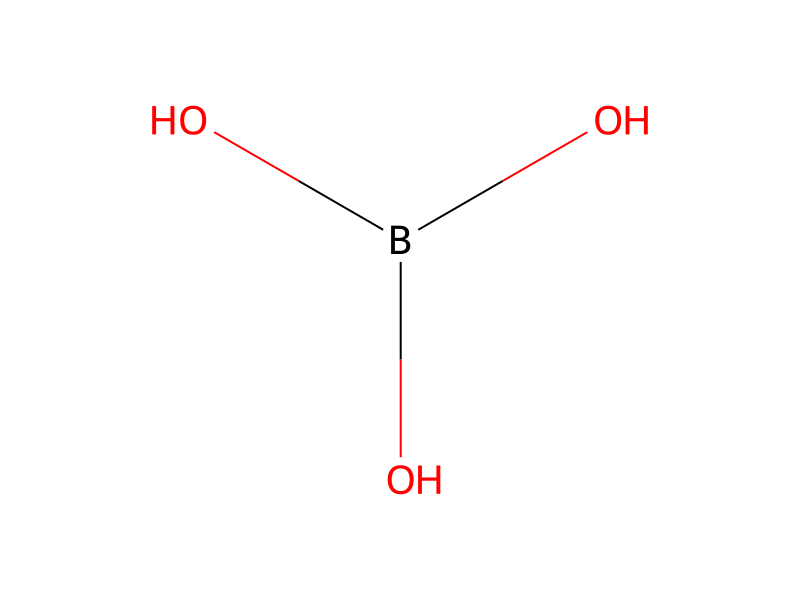
NC1C=CC(NC(=O)C)=CC=1.B1([O-])OO1.O.O.O.O.[Na+].B(O)(O)O.C([NH:28][C:29]1[CH:34]=[CH:33][C:32]([N:35]=[N:36][C:37]2[CH:42]=[CH:41][C:40]([NH:43]C(=O)C)=[CH:39][CH:38]=2)=[CH:31][CH:30]=1)(=O)C>C(O)(=O)C>[NH2:43][C:40]1[CH:39]=[CH:38][C:37]([N:36]=[N:35][C:32]2[CH:33]=[CH:34][C:29]([NH2:28])=[CH:30][CH:31]=2)=[CH:42][CH:41]=14,4′-diaminoazobenzene (DAAB, III) is synthesized via a two-step route shown in FIG. 1. Glacial acetic acid (500 mL), 4′-aminoacetanilide (I) (29.0 g, 0.19 mol), sodium perborate tetrahydrate (40 g, 0.26 mol) and boric acid (10 g, 0.16 mol) are added to a 1 L three-necked round-bottomed flask equipped with a magnetic stir bar, a condenser, and a thermometer. The mixture is heated with stirring to 50-60° C. and held at this temperature for 6 hours. After the mixture is allowed to cool to room temperature, the yellow product is collected on a Büchner funnel and washed with water until the washings are neutral as indicated by pH paper. The product is then dried in a vacuum oven at 110° C. to afford 16.7 g. (58%) of 4,4′-bis(acetamido)azobenzene (II), m.p. 289.4-290.0° C. (dec.). 1H-NMR (DMSO-d6, δ in ppm): 2.08 (s, 6H, CH3), 7.76-7.83 (m, 8H, Ar—H), 10.25 (s, 2H, NH).