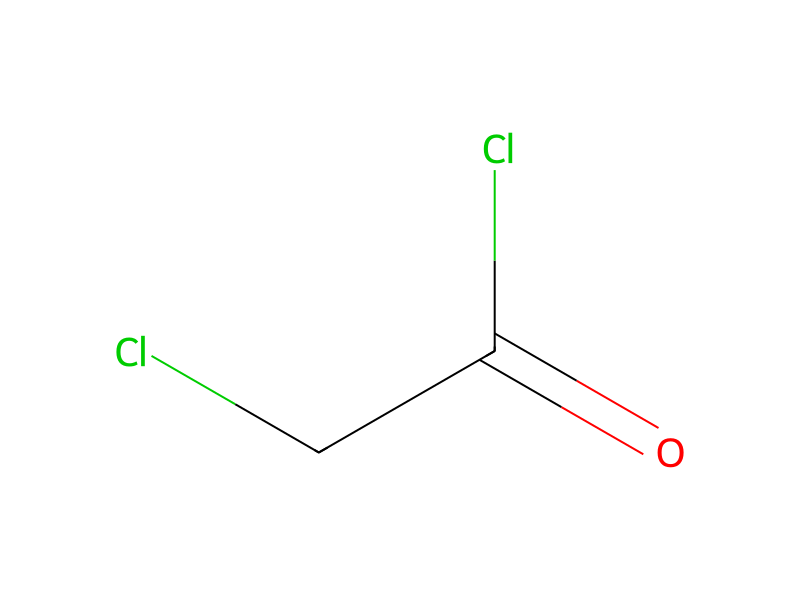
To a solution of ethyl 2,3-diaminobenzoate (4.72 g) and pyridine (2.49 g) in dichloroethane (50 ml) was added chloroacetyl chloride (3.11 g) in chloroform (10 ml) at −70° C. and the reaction mixture was stood overnight. After the reaction mixture was concentrated in vacuo, the residue was diluted with ethanol (50 ml). To the solution was added p-toluenesulfonic acid (249 mg) and the reaction mixture was refluxed for 2 hours. After the reaction mixture was concentrated in vacuo, the residue was diluted with ethyl acetate and satureated sodium hydrogen carbonate aqueous solution. The organic layer was separated and washed with brine. The solution was dried over magnesium sulfate and concentrated in vacuo. The residue was purified by silica gel column chromatography (n-hexane:ethyl acetate 4:1) to give ethyl 2-chloromethyl-1H-benzimidazole-4-carboxylate (2.98 g).