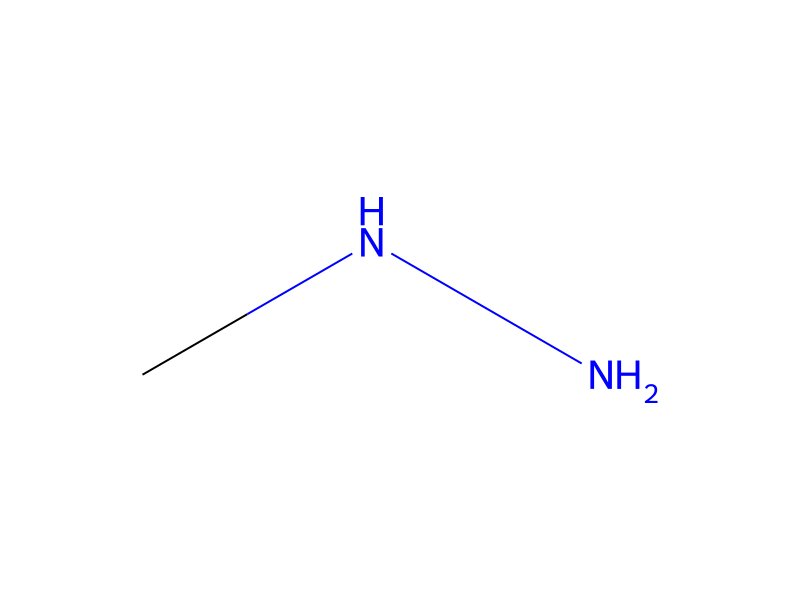
Methylhydrazine → 2-Methyl-4-(5-t-butyl-1,3,4-thiadiazol-2-yl)semicarbazide
HRID 1579470
Reaction equation

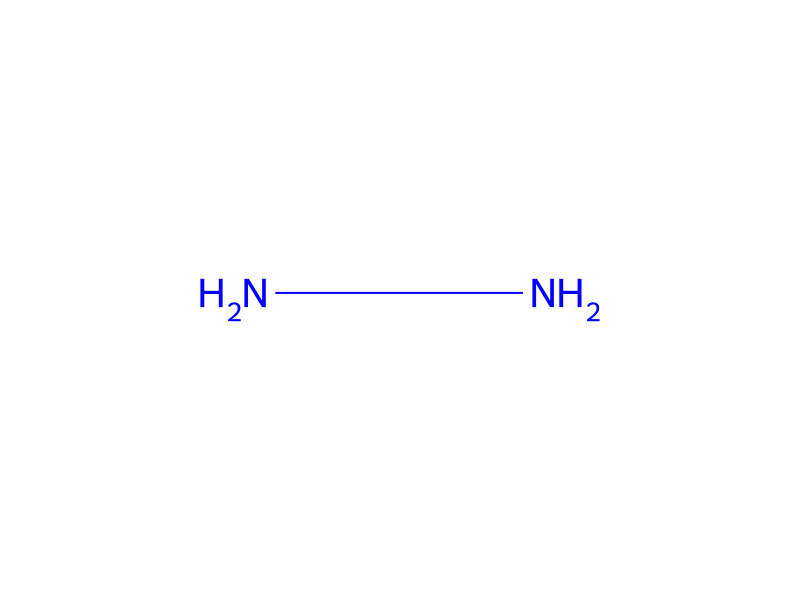
[CH3:1][NH:2][NH2:3].[C:4]([C:8]1[S:12][C:11]([N:13]=[C:14]=[O:15])=[N:10][N:9]=1)([CH3:7])([CH3:6])[CH3:5].NN>C(Cl)Cl>[CH3:1][N:2]([C:14]([NH:13][C:11]1[S:12][C:8]([C:4]([CH3:7])([CH3:6])[CH3:5])=[N:9][N:10]=1)=[O:15])[NH2:3]Participants
5
Reactant 3

Product 1

Reagents, catalysts & solvents 1

Procedure
A solution of methylhydrazine (0.3 mole) in methylene chloride (150 ml) is charged into a glass reaction vessel equipped with a mechanical stirrer, thermometer and reflux condenser. 5-t-Butyl-1,3,4-thiadiazol-2-yl isocyanate dimer (0.1 mole) is then added, with stirring, at room temperature. After the addition is completed the reaction mixture is heated at reflux for a period of about 4 hours. After this time the reaction mixture is stripped of solvent and excess hydrazine to yield the desired product 2-methyl-4-(5-t-butyl-1,3,4-thiadiazol-2-yl)semicarbazide as the residue.