Reaction equation

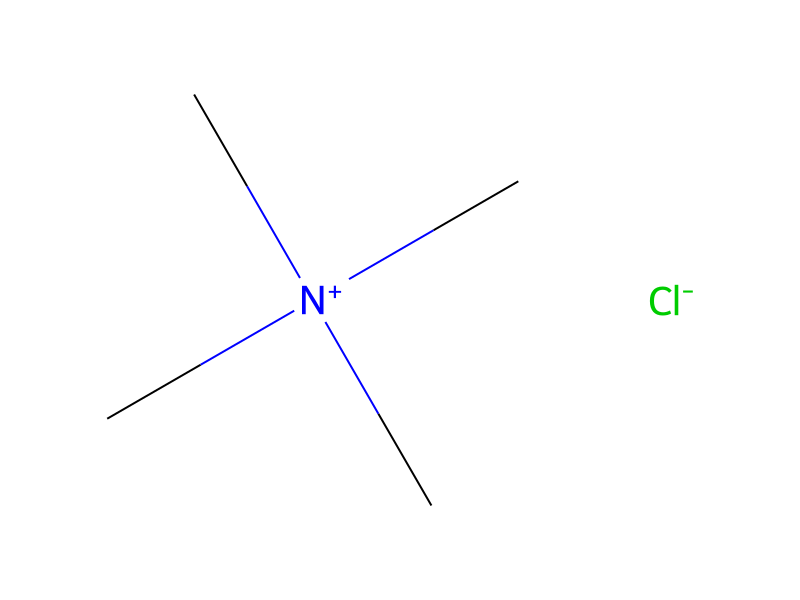
[Br:1][C:2]1[CH:7]=[C:6]([Br:8])[CH:5]=[C:4]([Br:9])[C:3]=1[OH:10].[CH2:11]1[O:13][CH2:12]1>[Cl-].C[N+](C)(C)C.C1C=CC=CC=1>[Br:1][C:2]1[CH:7]=[C:6]([Br:8])[CH:5]=[C:4]([Br:9])[C:3]=1[O:10][CH:12]([OH:13])[CH3:11]Participants
5
Reactant 2

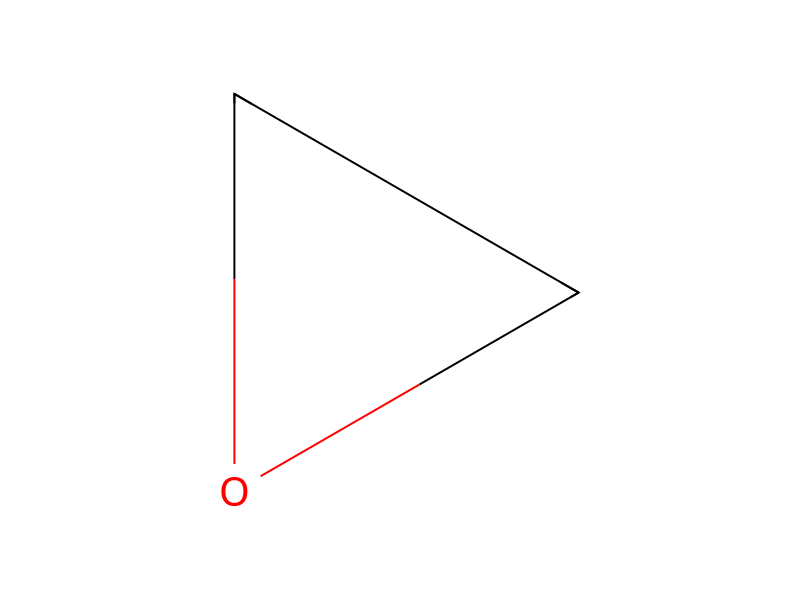
Product 1

Reagents, catalysts & solvents 2

Procedure
2,4,6-Tribromophenol (94.9 parts), ethylene oxide (14.7 parts) and tetramethylammonium chloride (2.0 parts) were charged into the same type of reactor as described in Example I. Reactants were heated to 95°-100° C. over 21/2 hours and allowed to react at this temperature for an additional 41/2 hours for the completion of reaction. The product was then dissolved in benzene, washed with water three times, dried with anhydrous sodium sulfate, filtered, and benzene stripped off under vacuum at 40° C. The final product was a slightly colored pasty material having a hydroxyl number of 150.
Workup
- temperatureReactants were heated to 95°-100° C. over 21/2 hours
- customto react at this temperature for an additional 41/2 hours
- customfor the completion of reaction
- washwashed with water three times
- dry with materialdried with anhydrous sodium sulfate
- filtrationfiltered
- customstripped off under vacuum at 40° C
Sources & evidence
- ORD record
- ord-d4c01be3940f49afbaba4a619bb555f9
- Source dataset
- uspto-grants-1976_01
- Patent number
- US03932181
Linked notes
Loading…