Cocarboxylase (INN:DCF:JAN) → 2-Acetoxypropionic Acid
HRID 1591032
Reaction equation

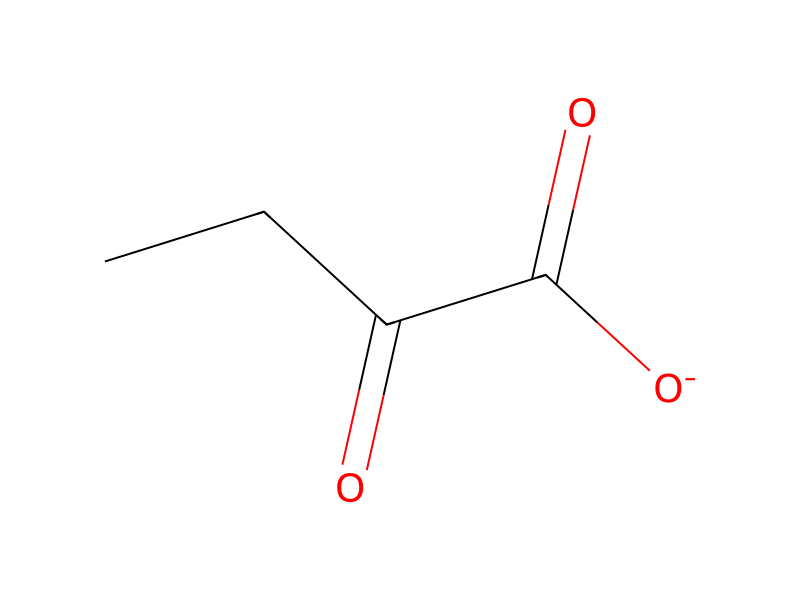
N([C:6]([CH2:11][OH:12])([CH2:9]O)CO)[CH2:2][C:3]([OH:5])=[O:4].[OH-:13].[Na+].[Mg+2].[Cl-].[Cl-].CC1[N+](CC2C(N)=NC(C)=NC=2)=CS[C:20]=1[CH2:33][CH2:34][O:35]P(OP(O)(O)=O)(O)=O.[Cl-]>>[CH3:20][CH:33]([O:5][C:3]([CH3:2])=[O:4])[C:34]([OH:35])=[O:13].[O:12]=[C:11]([CH2:6][CH3:9])[C:34]([O-:35])=[O:13]Participants
5


Procedure
To a 1 ml solution containing 0.1 M tricine-NaOH, pH 8, 10 mM MgCl2, 0.1 mM thiamine pyrophosphate, and 0.1 mM flavin adenine dinucleotide were added various concentrations of pyruvate (10 μM to 10 mM), α-keto-butyrate (10 μM to 80 mM), or acetolactate (0.15 to 5.5 mM). After allowing the solution to equilibrate with air (21 % O2), the level of dissolved oxygen was monitored by use of a commercially available oxygen-sensitive electrode (Hansatech) and polarographic electronics as described by Sweet et al. (Analytical Biochemistry 107:337 (1980)). In the absence of further additions, negligible oxygen was consumed over a 30 minute period. To initiate the consumption of oxygen, 20 μl of a 2 mg/ml stock solution of acetolactate synthase was added if pyruvate or α-acetolactate were used as substrate, or 5 μl of a 49 mg/ml stock solution of acetolactate synthase was added if α-ketobutyrate was used as substrate. The limiting rate of oxygen consumption at saturating concentrations of pyruvate, α-ketobutyrate, or α-acetolactate are illustrated in Table 1. The concentrations of α-acetolactate or α-ketobutyrate that gave half of the maximum rate (the Michaelis constant) were 1.4 mM and 32 μM, respectively. The rate of oxygen consumption was constant over the range of concentrations of pyruvate examined, indicating that the Michaelis constant for this substrate was substantially lower than 10 μM.