Water → HCID 178527906, compound
Reaction equation

[CH2:1]([O:8][C:9]1[CH:18]=[C:17]2[C:12]([C:13](=O)[NH:14][CH:15]=[N:16]2)=[CH:11][CH:10]=1)[C:2]1[CH:7]=[CH:6][CH:5]=[CH:4][CH:3]=1.P12(SP3(SP(SP(S3)(S1)=S)(=S)S2)=S)=[S:21].O>N1C=CC=CC=1>[CH2:1]([O:8][C:9]1[CH:18]=[C:17]2[C:12]([C:13](=[S:21])[NH:14][CH:15]=[N:16]2)=[CH:11][CH:10]=1)[C:2]1[CH:7]=[CH:6][CH:5]=[CH:4][CH:3]=1Participants
5
Reactant 3

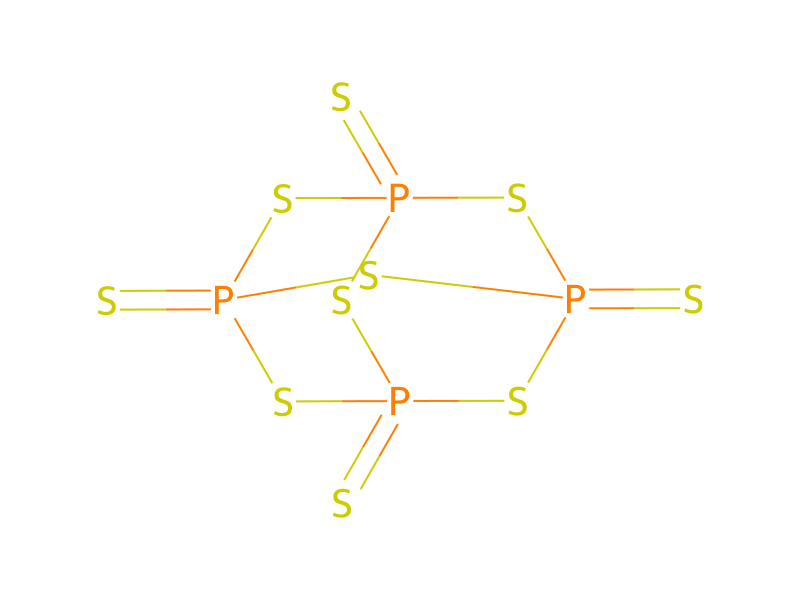

Product 1

Reagents, catalysts & solvents 1

Procedure
A suspension of 7-benzyloxy-3,4-dihydroquinazolin-4-one (7 g, 28 mmol), (prepared as described for the starting material in Example 6), in pyridine (350 ml) containing phosphorus pentasulphide (12.5 g, 33 mmol) was heated at reflux for 8 hours. After cooling, the mixture was poured into water (1 liter). The precipitate was collected by filtration, and washed with water. The solid was dissolved in 6M sodium hydroxide and the solution was filtered. The filtrate was acidified to pH2 with 6M hydrochloric acid. The precipitate was collected by filtration, washed with water, and dried under vacuum at 60° C. to give 7-benzyloxy-3,4-dihydroquinazolin-4-thione (7.42 g, 99%).