Reaction equation

[S:1]1[CH:5]=[CH:4][CH:3]=[C:2]1[CH:6]=[O:7].[N+:8]([O-])([O-:10])=[O:9].[K+]>S(=O)(=O)(O)O>[N+:8]([C:4]1[CH:3]=[C:2]([CH:6]=[O:7])[S:1][CH:5]=1)([O-:10])=[O:9]Participants
4
Reactant 2

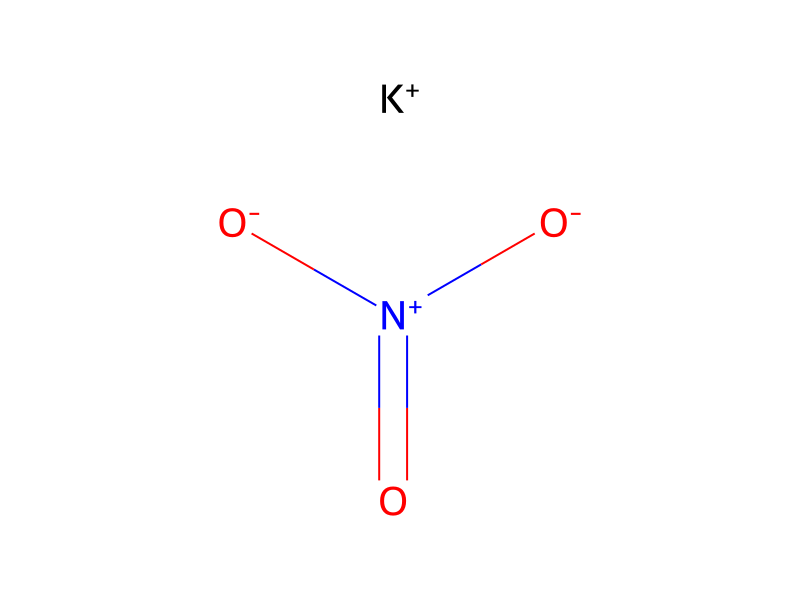
Product 1

Reagents, catalysts & solvents 1

Procedure
As shown in Scheme 3, 5-Nitro-2-thiophenecarboxaldehyde and 5-nitro-3-thiophene-carboxaldehyde, carboxaldehyde, each of which are commercially available, can be reacted with tris(trimethylsilyl)phosphite to give XII. Thiophene-2-carboxaldehyde is nitrated in sulfuric acid with potassium nitrate to give 4-nitrothiophene-2-carboxaldehyde which in turn is reacted with diethylphosphite on basic alumina and allowed to stand for 2-20 hours. Extraction of the product with methylene chloride gives XV. Treatment of XV with 5-8 equivalents of bromotrimethylsilane in methylene chloride (50-100 mL) gives compound XVI.
Sources & evidence
- ORD record
- ord-6d4799f3fc174d169013e655a72b48c2
- Source dataset
- uspto-grants-1999_11
- Patent number
- US05994563
Linked notes
Loading…