Reaction equation

[N:1](=[C:3]([CH2:7][CH2:8][CH3:9])[C:4](=O)[CH3:5])O.[CH3:10][C:11](=O)[CH2:12][CH2:13][CH2:14][CH3:15].[N:17](Cl)=O.N=C=O>[Zn].C(O)(=O)C>[CH3:10][C:11]1[C:12]([CH2:13][CH2:14][CH3:15])=[N:17][C:4]([CH3:5])=[C:3]([CH2:7][CH2:8][CH3:9])[N:1]=1Participants
7
Reactant 4

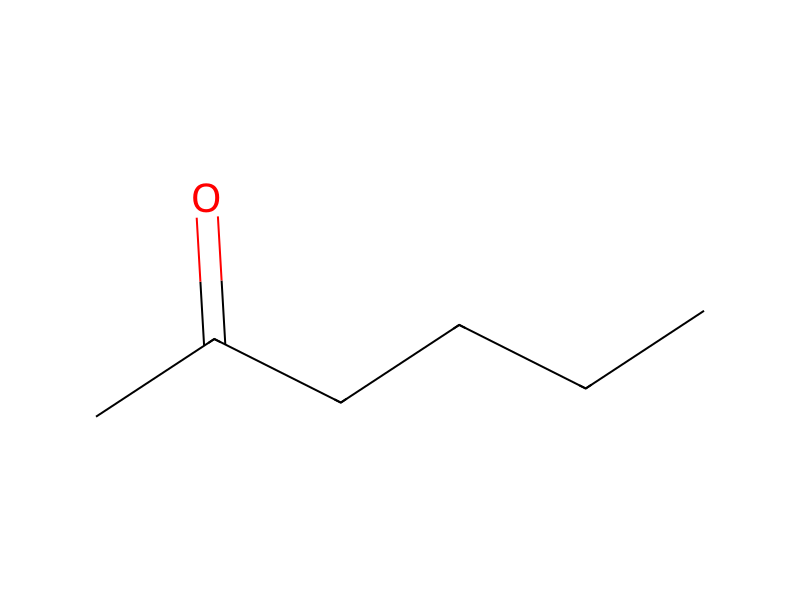


Product 1

Reagents, catalysts & solvents 2


Procedure
c. 2,5-Dimethyl-3,6-dipropyl-pyrazine was prepared by first forming 3-oximino-2-hexanone by reacting 2-hexanone with nitrosyl chloride according to the method of BOUVEAULT, Bull. [3] 31, 1163 (1904). The autocondensation of two molecules of the imino-ketone in the presence of zinc and acetic acid [according to the method described in Chimia 11, 310 (1957)] yielded 2,5-dimethyl-3,6-dipropyl-pyrazine which had a b.p. of 109°-110°C./10 mm. Hg.
Sources & evidence
- ORD record
- ord-3ac6a8a1ebfd42e995c4edb1db1327a9
- Source dataset
- uspto-grants-1976_04
- Patent number
- US03952026
Linked notes
Loading…