Ammonia → Methyl 3-oxooctanoate
Reaction equation

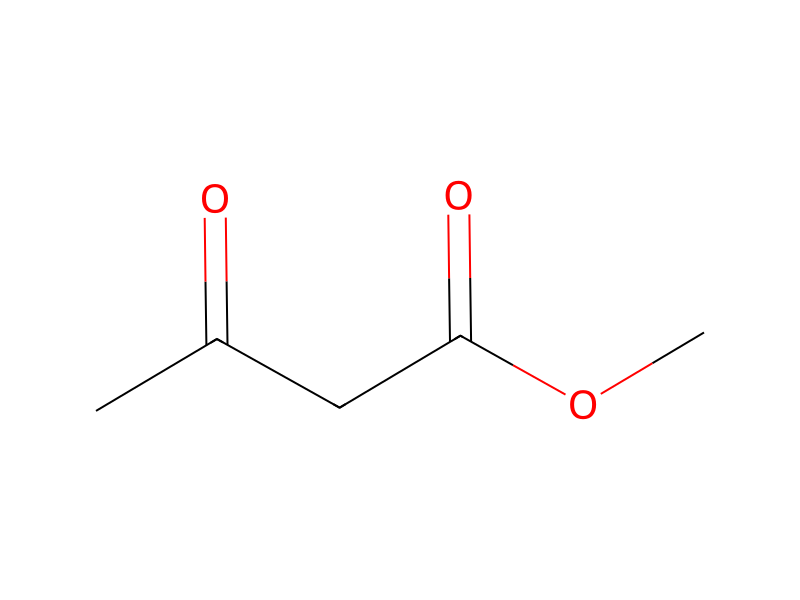
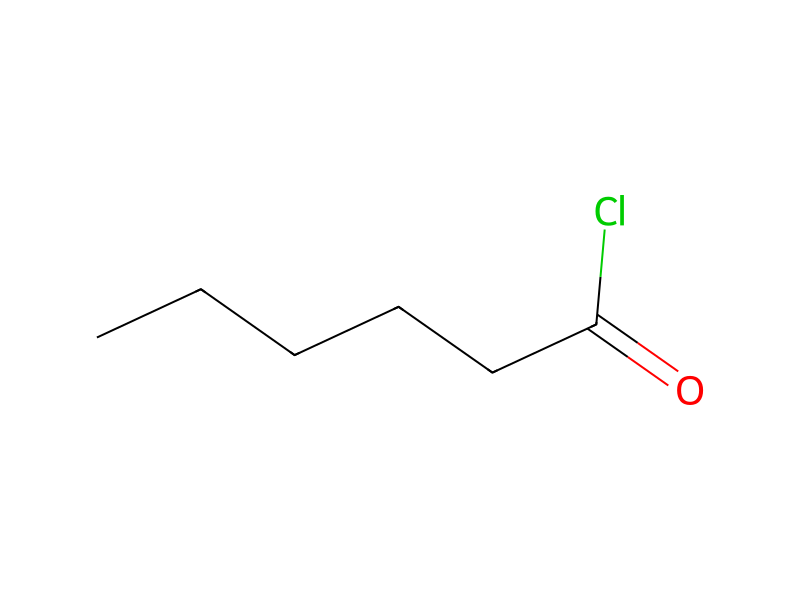
[C:1]([O:7][CH3:8])(=[O:6])[CH2:2][C:3]([CH3:5])=[O:4].[OH-].[Ca+2].[OH-].[C:12](Cl)(=O)[CH2:13][CH2:14][CH2:15]CC.N>C(Cl)Cl.C(C(C)=O)C>[C:3]([CH2:2][C:1]([O:7][CH3:8])=[O:6])(=[O:4])[CH2:5][CH2:12][CH2:13][CH2:14][CH3:15]Participants
7





Procedure
Under the same conditions as in Example 1, 116 g (1.0 mol) of methyl acetoacetate in a mixture of 520 ml of methylene chloride and 30 ml of methyl ethyl ketone were reacted with 77.8 g (1.05 mol) of calcium hydroxide and 148.0 g (1.1 mol) of hexanoyl chloride. The pH in the subsequent reaction with ammonia was adjusted to 9.2. This gave 165 g (GC purity 78.5%) of methyl hexanoylacetate (yield 75.0%).
Sources & evidence
- ORD record
- ord-39897d097ded4446b90540b49f8e0881
- Source dataset
- uspto-grants-1993_03
- Patent number
- US05194671
Reaction notes
Loading…