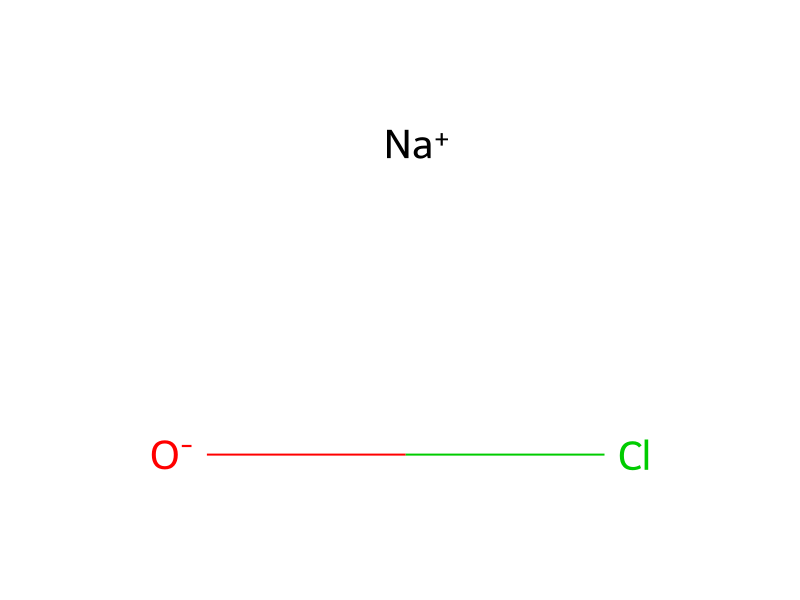
The remaining 2-hydrazino-3-chloro-6-trifluoromethyl pyridine (63.36 g, 0.299 mol) was dissolved in dichloromethane (600 g) and charged to a 2 L, three-neck flask with a mechanical stirrer. Sodium hydroxide (300 g, 1N solution) was added, and sodium hypochlorite (NaCl) (448 g, 0.301 mol, 5% solution) was added in one portion. The solution was stirred for three hours after addition of the sodium hypochlorite, at which point sampling indicated the reaction was complete. The layers were separated, and the aqueous layer was extracted twice with dichloromethane (150 mL). The organic layers were combined, washed with water, dried with magnesium sulfate, filtered, and concentrated on the rotovap to give 60.2 g of 3-chloro-6-trifluoromethyl pyridine.