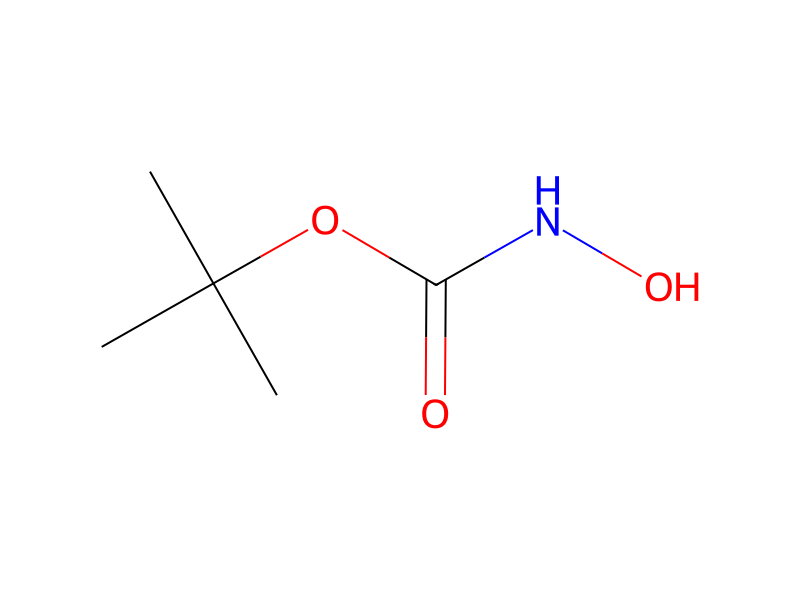
(1Z,3Z)-Cyclohepta-1,3-diene (3.54 g, 37.6 mmol) was dissolved in methylene chloride (36 mL) in a flask equipped with a dropping funnel under nitrogen. Tetrabutylammonium periodate (16.29 g, 37.6 mmol) was added and the reaction was cooled to 0° C. The dropping funnel was charged with tert-butyl hydroxycarbamate (5.01 g, 37.6 mmol) in methanol (30 mL). The contents of the funnel were added dropwise and stirring continued for 3 hours. The reaction was diluted with methylene chloride and transferred to a separatory funnel. The methylene chloride solution was washed sequentially with water and brine. The organic phase was then dried over magnesium sulfate. Filtration and evaporation provided the crude product. The material was purified on a 330 g ISCO silica gel column (0-70% ethyl acetate in hexanes). Evaporation of the product-containing fractions gave 23A (5.44 g, 64% yield) as a pale yellow solid. 1H NMR (400 MHz, DMSO-d6) δ ppm 6.40 (ddd, 1H, J=9.2, 6.9, 0.8 Hz), 6.18 (ddd, 1H, J=9.1, 6.1, 1.1 Hz); 4.60-4.73 (m, 2H); 1.53-1.87 (m, 4H); 1.46 (dtt, 1H, J=14.1, 4.9, 4.9, 2.4, 2.4 Hz); 1.39 (s, 9H); 1.24 (qd, 1H, J=12.9, 6.0 Hz).