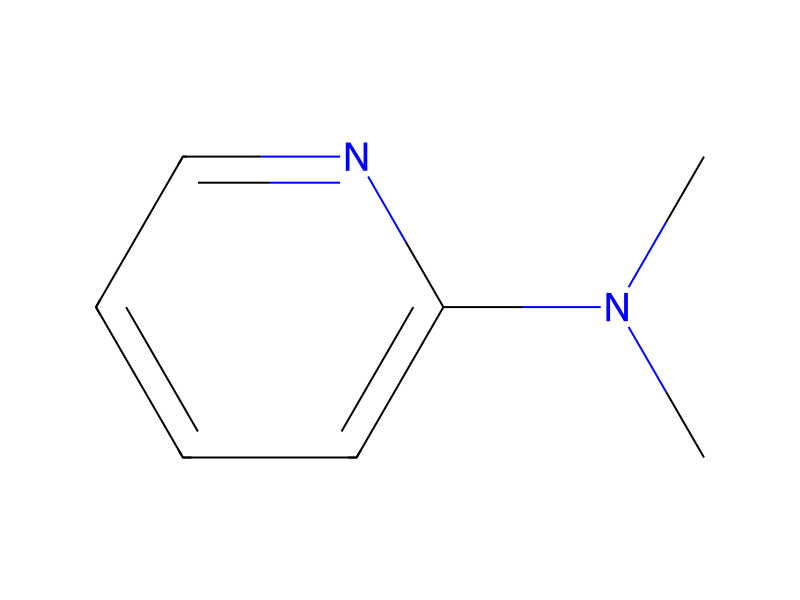
[O:1]1[CH:3]([CH2:4][CH:5]=[C:6]([CH3:8])[CH3:7])[C:2]1([CH:10]1[CH2:15][CH:14]([OH:16])[CH2:13][CH2:12][C:11]1([CH2:18][S:19][CH3:20])[OH:17])[CH3:9].[CH3:21][N:22]([C:24]1C=CC=CN=1)C.ClCCN=[C:34]=[O:35].[OH2:36].Cl[CH2:38][Cl:39]>>[Cl:39][CH2:38][CH2:21][NH:22][C:24]([O:16][CH:14]1[CH2:13][CH2:12][C:11]([CH2:18][S:19][CH3:20])([OH:17])[CH:10]([C:2]2([CH3:9])[O:1][CH:3]2[CH2:4][CH:5]=[C:6]([CH3:8])[CH3:7])[CH:15]1[O:35][CH3:34])=[O:36]To a solution of 2-(1,2-epoxy-1,5-dimethyl-4-hexenyl)-1-methylthiomethyl-1,4-cyclohexanediol (1.00 g) and dimethylaminopyridine (185 ml) in dichloromethane (10 ml) was added dropwise 2-chloroethylisocyanate (0.52 ml), which was stirred overnight. To the reaction mixture was added water to suspend the reaction, then the product was extracted with ethyl acetate. The organic layer was washed with a saturated aqueous saline solution, followed by drying over anhydrous magnesium sulfate. The solvent was distilled off under reduced pressure, then the residue was purified by means of a silica gel column chromatography (carrier 50 g, developing solvent:ethyl acetate - hexane=1:4) to give 4-(2-chloroethylcarbamoyloxy)-2-(1,2-epoxy-1,5-dimethyl-4-hexenyl)-3-methoxy-1-methylthiomethylcyclohexanol (912 mg: yield 69%) as colorless powder.