Reaction equation

[N:1]([C:4]1[N:12]=[C:11]([F:13])[N:10]=[C:9]2[C:5]=1[N:6]=[CH:7][N:8]2[C@@H:14]1[O:34][C@H:33]([CH2:35][O:36]CC2C=CC=CC=2)[C@@H:24]([O:25]CC2C=CC=CC=2)[C@@H:15]1[O:16]CC1C=CC=CC=1)=[N+]=[N-]>COCCO.[Pd](Cl)Cl>[C@@H:14]1([N:8]2[CH:7]=[N:6][C:5]3[C:9]2=[N:10][C:11]([F:13])=[N:12][C:4]=3[NH2:1])[O:34][C@H:33]([CH2:35][OH:36])[C@@H:24]([OH:25])[C@@H:15]1[OH:16]Participants
4
Reactant 1

Product 1

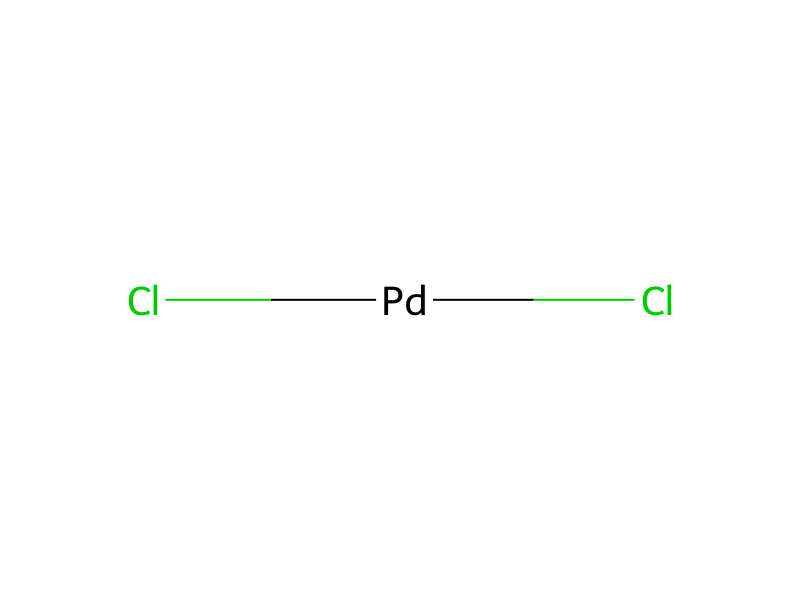
Reagents, catalysts & solvents 2

Procedure
6-Azido-2-fluoro-9-(2,3,5-tri-O-benzyl-β-D-arabinofuranosyl)purine (0.19 g) was dissolved in 2-methoxyethanol (20 mL) with palladium (II) chloride (PdCl2) (20 mg) and activated carbon and the mixture was hydrogenated at 55 pounds per square inch (psi) in a Parr shaker. The reaction was monitored by thin layer chromatography (TLC) until complete. The mixture was then filtered through celite and the filtrate was concentrated in vacuo. Three times, the residue was dissolved in ethanol and reconcentrated. Then the residue was recrystalized from ethanol/water to obtain 0.063 g of the title compound which was consistent in its structure with an authentic sample by IR and TLC.
Workup
- filtrationThe mixture was then filtered through celite
- concentrationthe filtrate was concentrated in vacuo
- dissolutionThree times, the residue was dissolved in ethanol
- customThen the residue was recrystalized from ethanol/water
Sources & evidence
- ORD record
- ord-4d0b759483994145a1322818e9484f05
- Source dataset
- uspto-grants-1993_01
- Patent number
- US05180824
Linked notes
Loading…