Reaction equation

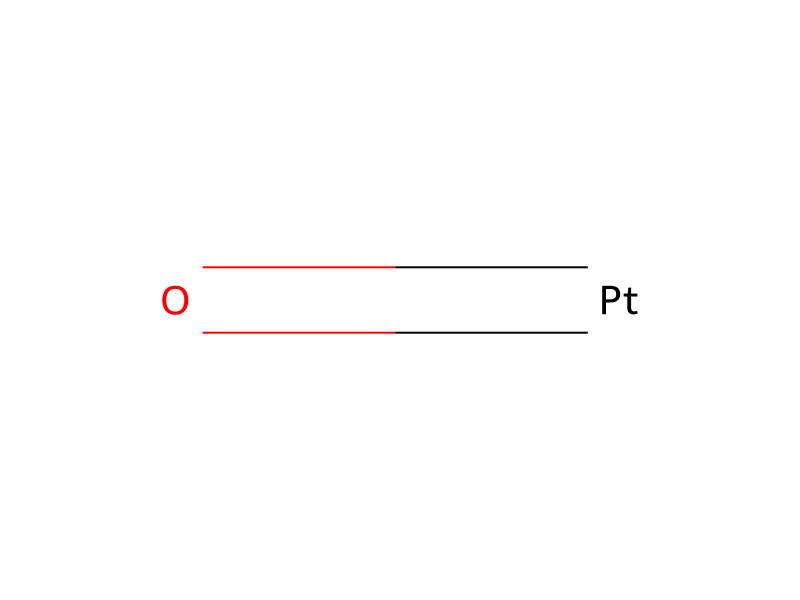
[Cl:1][C:2]1[CH:7]=[CH:6][CH:5]=[CH:4][C:3]=1[C:8]1[CH:18]=[CH:17][C:11]([CH:12]=[CH:13][C:14]([OH:16])=[O:15])=[CH:10][CH:9]=1.[H][H]>[Pt]=O.C(O)C>[Cl:1][C:2]1[CH:7]=[CH:6][CH:5]=[CH:4][C:3]=1[C:8]1[CH:18]=[CH:17][C:11]([CH2:12][CH2:13][C:14]([OH:16])=[O:15])=[CH:10][CH:9]=1Participants
5
Reactant 2


Product 1

Reagents, catalysts & solvents 2

Procedure
A suspension of 100 g of p-(2-chlorophenyl)cinnamic acid in 1 l. of 95% ethanol is hydrogenated at atmospheric pressure using platinum oxide catalyst (1 g). The uptake of hydrogen ceases when approximately 9-10 l. of hydrogen is consumed. The catalyst is then filtered off and the reaction evaporated to dryness to give β-(2'-chloro-4-biphenylyl)propionic acid.
Workup
- customof hydrogen is consumed
- filtrationThe catalyst is then filtered off
- customthe reaction evaporated to dryness
Sources & evidence
- ORD record
- ord-828198b8ce5a45dc8b17d5737e10150b
- Source dataset
- uspto-grants-1976_06
- Patent number
- US03966801
Linked notes
Loading…