Reaction equation

[O:1]([C:8]1[CH:9]=[C:10]([CH:14]2OCCO2)[CH:11]=[CH:12][CH:13]=1)[C:2]1[CH:7]=[CH:6][CH:5]=[CH:4][CH:3]=1.C(O)C.[Cl-].[OH:23][NH3+:24].O>ClC(Cl)(Cl)Cl.C1C=CC=CC=1>[O:1]([C:8]1[CH:9]=[C:10]([CH:11]=[CH:12][CH:13]=1)[CH:14]=[N:24][OH:23])[C:2]1[CH:7]=[CH:6][CH:5]=[CH:4][CH:3]=1Participants
7





Procedure
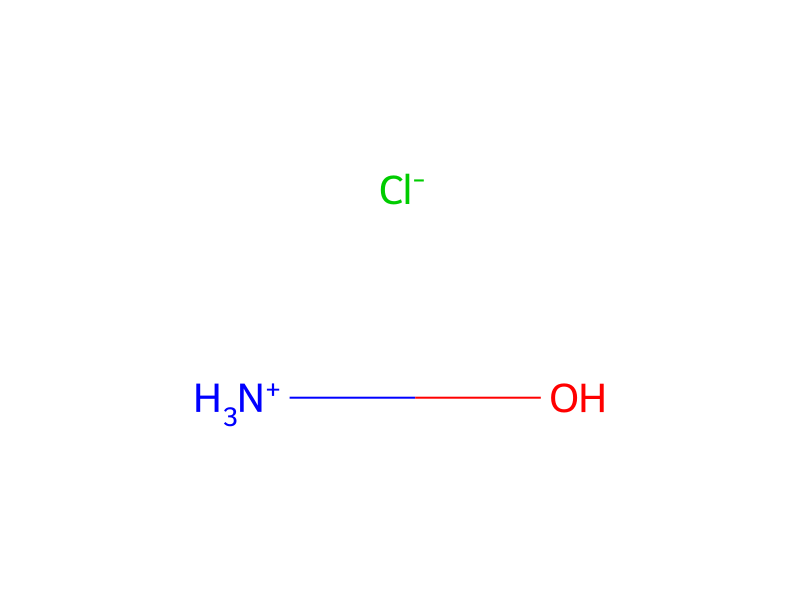
To a solution of 24.2 g. of 2-(3-phenoxyphenyl)-1,3-dioxolane in 150 ml. of ethyl alcohol a solution of 14 g. of hydroxylammonium chloride in 150 ml. of water is added, and the mixture is boiled until no traces of starting compound can be detected by thin layer chromatography (silica gel, 1:1 mixture of benzene and tetrachloromethane, development: by UV light). Alcohol is distilled off and the aqueous residue is cooled in ice water. The precipitated crystals are filtered off. 20 g. (94%) of 3-phenoxybenzaldehyde oxime are obtained, melting at 45° to 46° C.
Workup
- distillationAlcohol is distilled off
- temperaturethe aqueous residue is cooled in ice water
- filtrationThe precipitated crystals are filtered off
Sources & evidence
- ORD record
- ord-35f5d7ec4b054a5cbd2d738578896b46
- Source dataset
- uspto-grants-1981_12
- Patent number
- US04304938
Linked notes
Loading…