Reaction equation

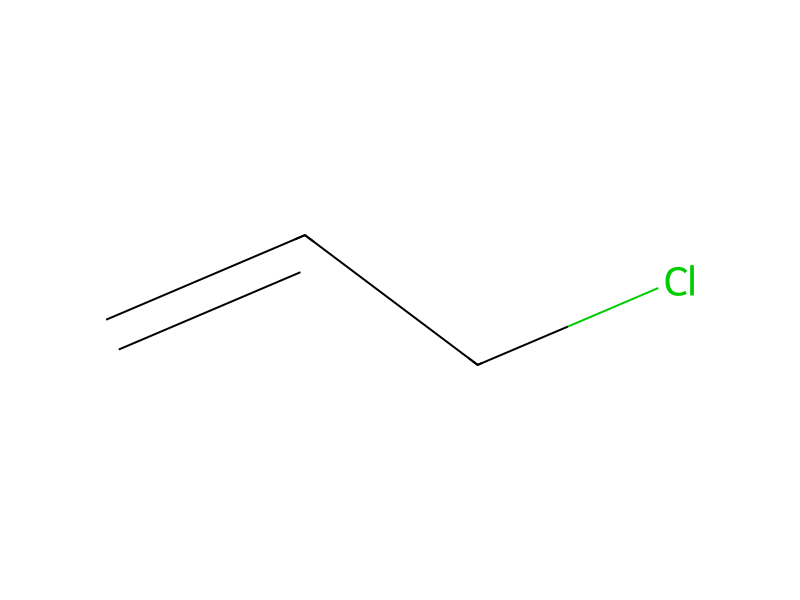
[Cl:1][SiH:2]([Cl:4])[Cl:3].[CH3:5][C:6]([CH2:8][C:9]([CH3:12])([CH3:11])[CH3:10])=[CH2:7].CC(C)=CC(C)(C)C.C(Cl)C=C>>[CH3:5][CH:6]([CH2:8][C:9]([CH3:12])([CH3:11])[CH3:10])[CH2:7][Si:2]([Cl:4])([Cl:3])[Cl:1]Participants
5


Procedure
The process described in Example 2 is repeated, except that 1.2 liters of trichlorosilane, 1.8 liters of diisobutylene (a mixture of 2,4,4-trimethylpentene-1 and 2,4,4-trimethylpentene-2) and 10 ml of the catalytic solution are substituted for the trichlorosilane, allyl chloride and catalytic solution. About 98.6 mol percent of the trichlorosilane employed is reacted and 11.6 moles per hour of 2,4,4-trimethylpentyltrichlorosilane are obtained.
Sources & evidence
- ORD record
- ord-b643a7355bf94b5bb75ce21e901fbfa5
- Source dataset
- uspto-grants-1981_06
- Patent number
- US04276426
Linked notes
Loading…