Water → 2-Methyl-9-(2-piperidinoehtyl)-3-(2-thenoyl)imidazo[1,2-a]benzimidazole
HRID 1683726
Reaction equation

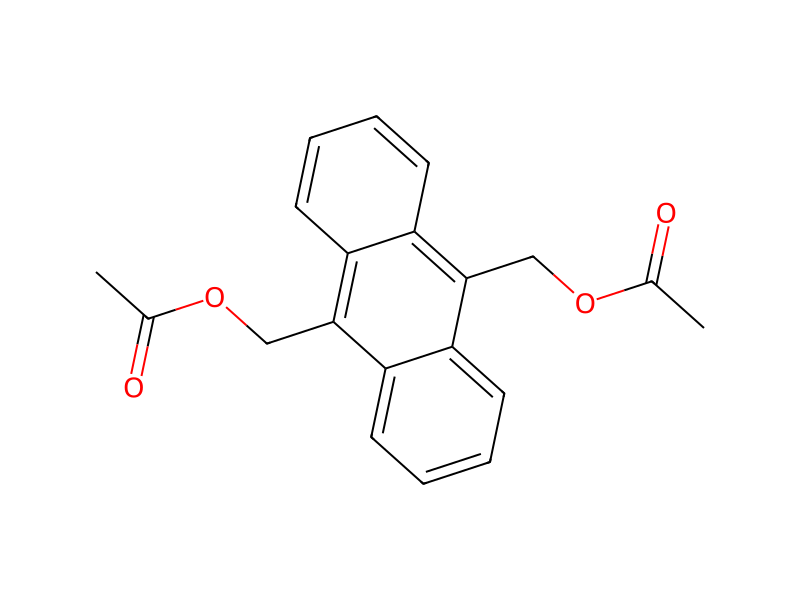
[Br-].[NH2:2][C:3]1[N:4]([CH2:20][C:21](=[O:27])[C:22]2[S:26][CH:25]=[CH:24][CH:23]=2)[C:5]2[CH:19]=[CH:18][CH:17]=[CH:16][C:6]=2[N+:7]=1[CH2:8][CH2:9][N:10]1[CH2:15][CH2:14][CH2:13][CH2:12][CH2:11]1.O.[CH3:29][C:30](OCC1C2C(=CC=CC=2)C(COC(C)=O)=C2C=1C=CC=C2)=O>>[CH3:29][C:30]1[N:2]=[C:3]2[N:4]([C:20]=1[C:21](=[O:27])[C:22]1[S:26][CH:25]=[CH:24][CH:23]=1)[C:5]1[CH:19]=[CH:18][CH:17]=[CH:16][C:6]=1[N:7]2[CH2:8][CH2:9][N:10]1[CH2:15][CH2:14][CH2:13][CH2:12][CH2:11]1Participants
4
Reactant 3


Product 1

Procedure
The bromide obtained in Step A is heated at reflux in 15 ml of acetic anhydide until completely dissolved. Cool and pour into 50 ml of cold water. Neutralise with a solution of sodium carbonate and extract twice with 10 ml of chloroform each time. Combine the organic phases, pass over a column of alumina and evaporate. Recrystallise the residue from ethyl acetate.