HCID 66901836, compound → 2-[3-(2,6-Dimethylphenylamino)-6-fluoroimidazo[1,2-a]pyridin-2-yl]benzohydrazide
HRID 1690045
Reaction equation

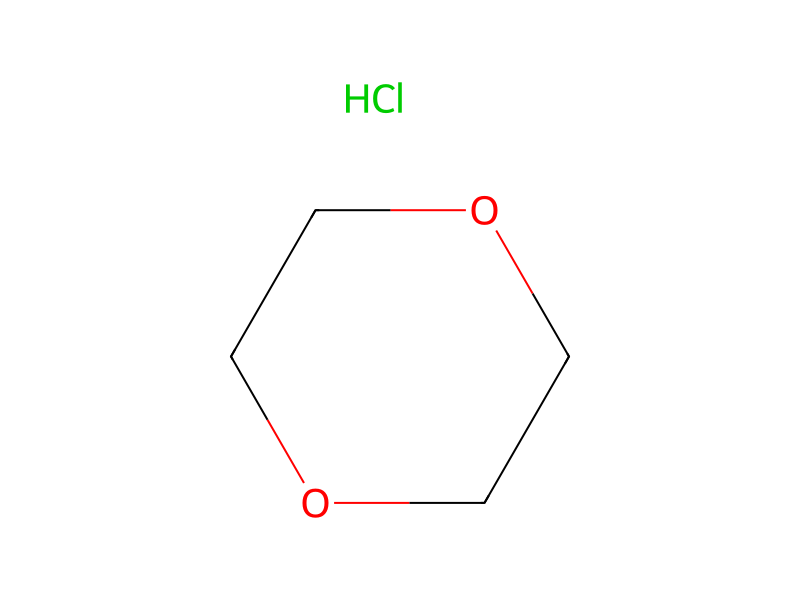
[CH3:1][C:2]1[CH:7]=[CH:6][CH:5]=[C:4]([CH3:8])[C:3]=1[NH:9][C:10]1[N:14]2[CH:15]=[C:16]([F:19])[CH:17]=[CH:18][C:13]2=[N:12][C:11]=1[C:20]1[CH:36]=[CH:35][CH:34]=[CH:33][C:21]=1[C:22]([NH:24][NH:25]C(OC(C)(C)C)=O)=[O:23]>Cl.O1CCOCC1>[CH3:1][C:2]1[CH:7]=[CH:6][CH:5]=[C:4]([CH3:8])[C:3]=1[NH:9][C:10]1[N:14]2[CH:15]=[C:16]([F:19])[CH:17]=[CH:18][C:13]2=[N:12][C:11]=1[C:20]1[CH:36]=[CH:35][CH:34]=[CH:33][C:21]=1[C:22]([NH:24][NH2:25])=[O:23]Participants
3
Reactant 1

Product 1

Reagents, catalysts & solvents 1
Procedure
2.3 167 mg (0.341 mmol) of tert-butyl N′-{2-[3-(2,6-dimethylphenylamino)-6-fluoroimidazo[1,2-a]pyridin-2-yl]benzoyl}hydrazinecarboxylate are stirred for 1 hour in 5 ml of 4 N HCl/dioxane. The reaction mixture is evaporated to dryness and lyophilised, giving 114 mg (78%) of 2-[3-(2,6-dimethylphenylamino)-6-fluoroimidazo[1,2-a]pyridin-2-yl]benzohydrazide as hydrochloride; MS-FAB (M+H+)=390.8; Rf (HPLC, polar method): 1.00 min. This is employed in the next step without further purification.