Reaction equation

[OH:1][CH2:2][C:3]1[N:7]([CH:8]2[C:17]3[C:12](=[CH:13][CH:14]=[CH:15][CH:16]=3)[C:11](=[O:18])[O:10][C:9]2([CH3:20])[CH3:19])[CH:6]=[N:5][CH:4]=1>O1CCOCC1.[O-2].[O-2].[Mn+4]>[CH3:19][C:9]1([CH3:20])[CH:8]([N:7]2[C:3]([CH:2]=[O:1])=[CH:4][N:5]=[CH:6]2)[C:17]2[C:12](=[CH:13][CH:14]=[CH:15][CH:16]=2)[C:11](=[O:18])[O:10]1Participants
4



Conditions
- Temperature
- 60 °C
Procedure
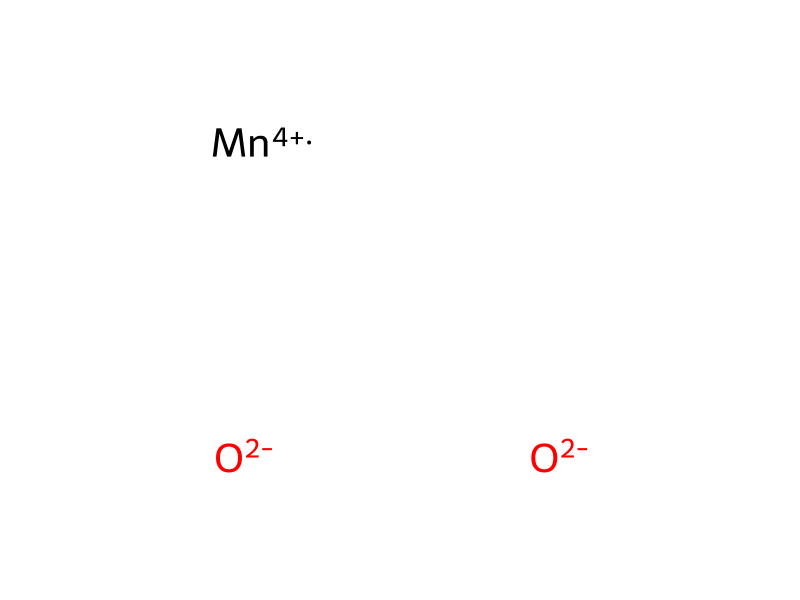
To a solution of 4-(5-hydroxymethyl-imidazol-1-yl)-3,3-dimethyl-isochroman-1-one (0.500 g, 1.84 mmol) (Example 6d) in dioxane (10 mL) is added manganese dioxide (2.4 g, 27.6 mmol) and the reaction mixture is heated to 60° C. overnight. Filtration through celite and concentration in vacuo afforded 3-(3,3-dimethyl-1-oxo-isochroman-4-yl)-3H-imidazole-4-carbaldehyde, which is used in the next step without further purification; MS (ESI) m/z 271.1 (M+H).
Workup
- filtrationFiltration
- concentrationthrough celite and concentration in vacuo
Sources & evidence
- ORD record
- ord-54b7373104454b7fbf6fb310ab6c6277
- Source dataset
- uspto-grants-2012_04
- Patent number
- US08153674B2
Linked notes
Loading…