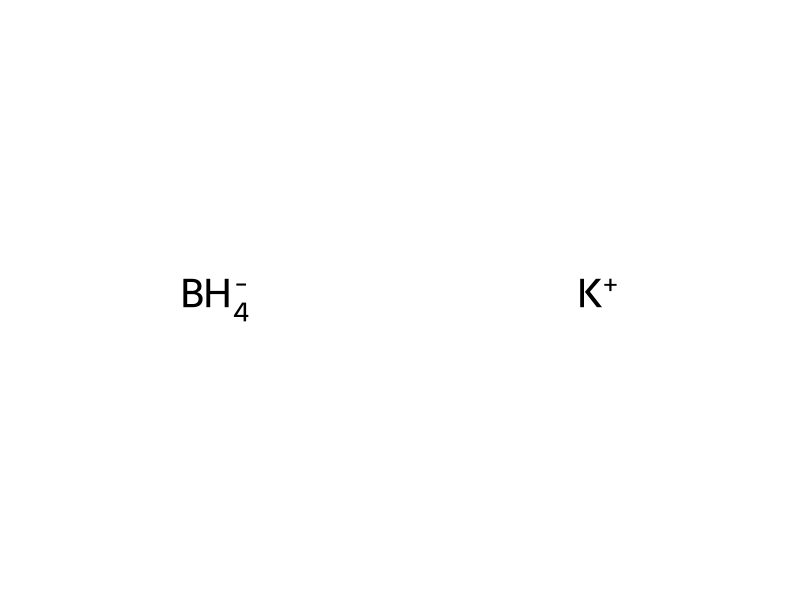
[CH:1]([O:4][C:5]1[CH:14]=[CH:13][CH:12]=[CH:11][C:6]=1[O:7][CH2:8][CH2:9][NH2:10])([CH3:3])[CH3:2].[CH:15]1([O:20][C:21]2[CH:22]=[C:23]([CH:26]=[CH:27][CH:28]=2)[CH:24]=O)[CH2:19][CH2:18][CH2:17][CH2:16]1.[BH4-].[K+]>C1(C)C=CC=CC=1>[CH:15]1([O:20][C:21]2[CH:22]=[C:23]([CH:26]=[CH:27][CH:28]=2)[CH2:24][NH:10][CH2:9][CH2:8][O:7][C:6]2[CH:11]=[CH:12][CH:13]=[CH:14][C:5]=2[O:4][CH:1]([CH3:3])[CH3:2])[CH2:16][CH2:17][CH2:18][CH2:19]10.5 g of 2-(2-isopropoxyphenoxy)ethylamine (2.56 mmol) and 0.49 [lacuna] of 3-cyclopentyloxybenzaldehyde (2.56 mmol) are mixed together in 20 ml of toluene. The solution is refluxed for 12 hours, while continuously removing the water formed. The toluene is then evaporated off, the residue is taken up in 20 ml of methanol and the solution is cooled to 0° C. 0.28 g of potassium borohydride (5.12 mmol) is added portionwise and the mixture is stirred for 3 hours at room temperature. The methanol is evaporated off, the residue is taken up in dichloromethane and the organic phase is washed with water and then with saturated aqueous sodium chloride solution. The organic phase is dried over magnesium sulfate and filtered, and the solvent is evaporated off under vacuum. The title product is isolated by chromatography on a column of silica (eluent: 98/1.5/0.5 dichloromethane/methanol/aqueous ammonia). 0.77 g of the title product is obtained in the form of a pale yellow oil: