HomeMCPWorkbenchSkills
HomeWorkbenchNotificationsMe
llms.txt · MCP GuidePrivacy Policy · Terms of Service · Supportv1.8.3
  1. Home
  2. /Reaction

Benzoyl Peroxide → Di-tert-butyl 3-bromo-trans-1-propenylphosphonate

HRID 1706172
Print

Reaction equation

HRID 1706172 reaction equation
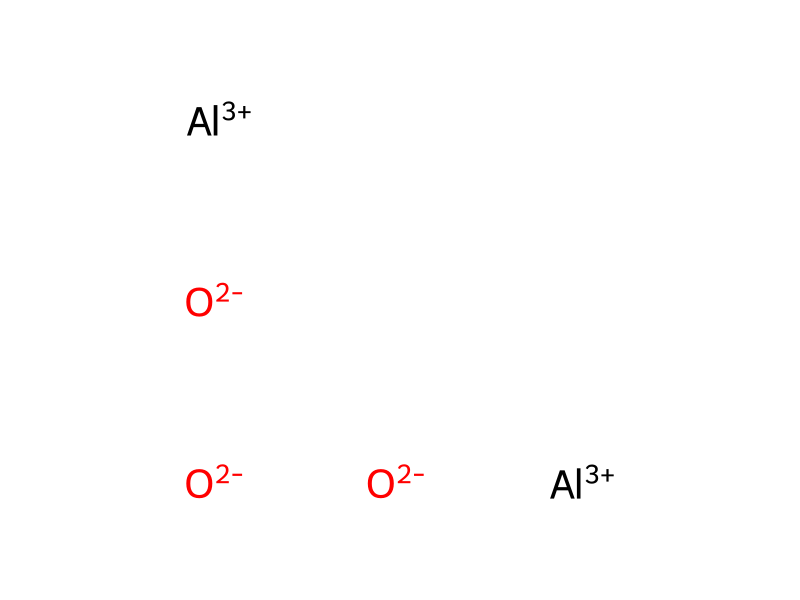
[CH:1](/[P:4](=[O:15])([O:10][C:11]([CH3:14])([CH3:13])[CH3:12])[O:5][C:6]([CH3:9])([CH3:8])[CH3:7])=[CH:2]\[CH3:3].[O-2].[Al+3].[O-2].[O-2].[Al+3].[Br:21]N1C(=O)CCC1=O.C(OOC(=O)C1C=CC=CC=1)(=O)C1C=CC=CC=1>C(Cl)(Cl)(Cl)Cl>[Br:21][CH2:3]/[CH:2]=[CH:1]/[P:4](=[O:15])([O:5][C:6]([CH3:7])([CH3:8])[CH3:9])[O:10][C:11]([CH3:14])([CH3:13])[CH3:12]
ParticipantsProcedureWorkupSources & evidenceReaction notes

Participants

6

Reactant 4

HCID 7187Benzoyl PeroxideHCID 67184N-bromobutanimideHCID 9989226AluminaHCID 12985179Fosfomycin Impurity 61

Product 1

HCID 9995699Di-tert-butyl 3-bromo-trans-1-propenylphosphonateYield 107.2%

Reagents, catalysts & solvents 1

HCID 5943
Carbon Tetrachloride
Solvent

Procedure

(1)-2 To a solution of di-tert.-butyl trans-1-propenylphosphonate (12.0 g.) in carbon tetrachloride (120 ml.) were added basic aluminum oxide (24.0 g.), N-bromosuccinimide (10.95 g.) and then dibenzoylperoxide (1.4 g.). The mixture was heated to reflux for an hour and then stirred for 30 minutes under ice-cooling. The resultant mixture was filtered and the filtrate was evaporated to dryness under reduced pressure to give oily di-tert.-butyl 3-bromo-trans-1-propenylphosphonate (17.2 g.).

Workup

  1. temperatureThe mixture was heated
  2. temperatureto reflux for an hour
  3. temperaturecooling
  4. filtrationThe resultant mixture was filtered
  5. customthe filtrate was evaporated to dryness under reduced pressure

Sources & evidence

ORD record
ord-f047293941c84384952050df743679c1
Source dataset
uspto-grants-1980_06
DOI
10.6084/m9.figshare.5104873.v1
Patent number
US04206156

Reaction notes

On this pageParticipantsProcedureWorkupSources & evidenceReaction notes