Methanol → Methyl phenylcarbamate
Reaction equation

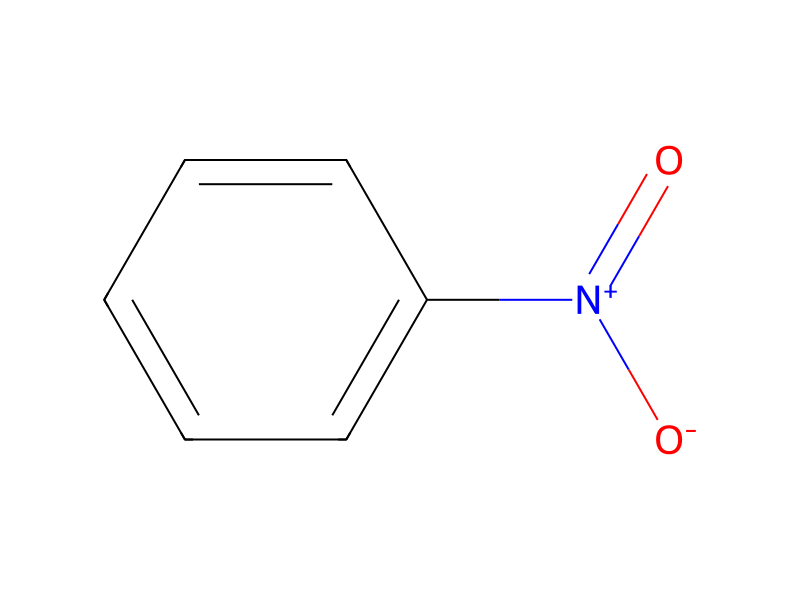
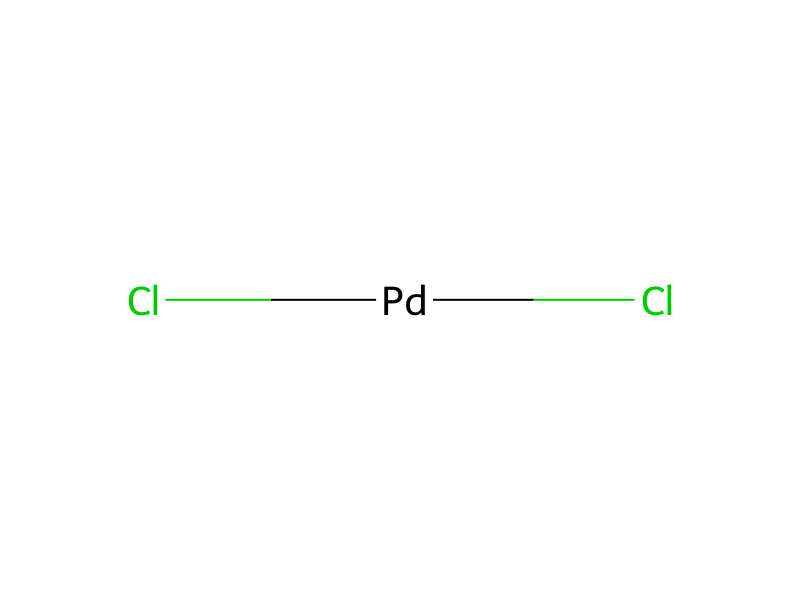
C1(N[C:8](NC2C=CC=CC=2)=[O:9])C=CC=CC=1.[N+:17]([C:20]1[CH:25]=[CH:24][CH:23]=[CH:22][CH:21]=1)([O-])=O.[I-].[Cs+].[C]=O.[CH3:30][OH:31]>[Pd](Cl)Cl>[C:20]1([NH:17][C:8](=[O:9])[O:31][CH3:30])[CH:25]=[CH:24][CH:23]=[CH:22][CH:21]=1Participants
7
Reactant 5




Product 1

Reagents, catalysts & solvents 1
Procedure
In a 200 ml stirring type autoclave were charged 30 mmols of N,N'-diphenylurea, 15 mmols of nitrobenzene, 50 ml of methanol, 0.5 mmol of palladium chloride and 5 mmols of cesium iodide. After the air inside the autoclave had been replaced with carbon monoxide, carbon monooxide was pressurized into the autoclave to 120 Kg/cm2, and the reaction was carried out at 180° C. for 4 hours with stirring. As the result of analysis of the reaction solution obtained, the conversions of N,N'-diphenylurea and nitrobenzene were 25% and 30%, respectively, and 14 mmols of methyl N-phenylcarbamate were obtained.
Workup
- stirringwith stirring
- customAs the result of analysis of the reaction solution
- customobtained
Sources & evidence
- ORD record
- ord-ea4cd2b658564101a34232aacf70050b
- Source dataset
- uspto-grants-1986_11
- Patent number
- US04621149
Reaction notes
Loading…