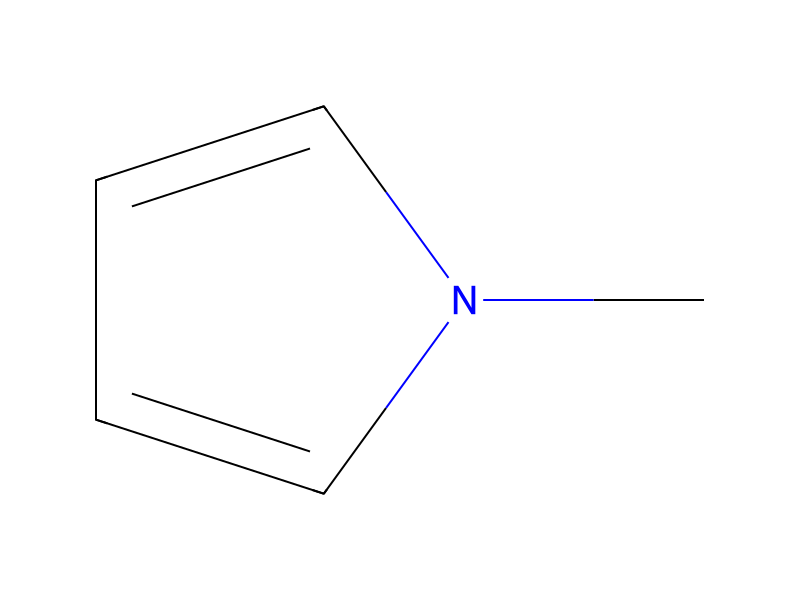
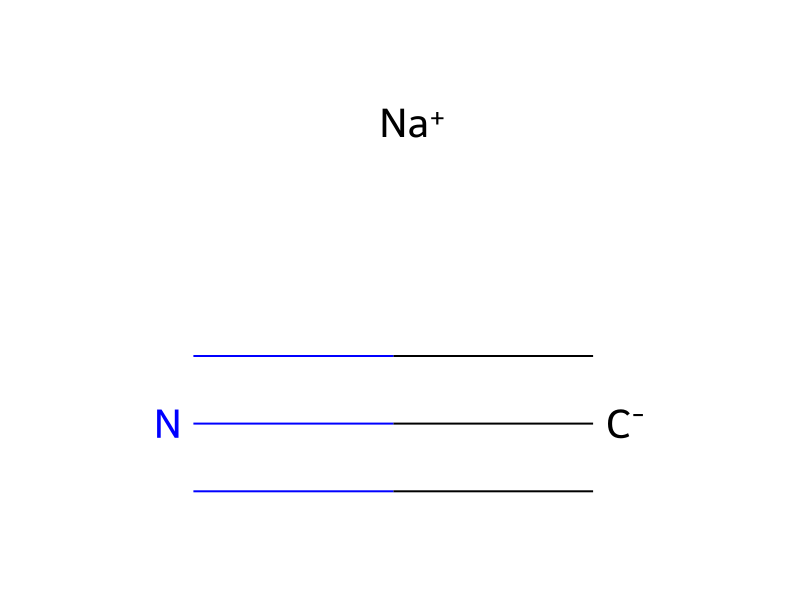
An ether (10 ml) solution of N-methylpyrrole (810 mg, 10 mmol) and chloral (1.6 g, 10.7 mmol) was refluxed for 24 hours. The solvent was removed at room temperature under vacuum and the residue was dissolved in methanol (30 ml). This solution was added to a solution of sodium cyanide (3.0 g, 60 mmol) in water (30 ml). To this solution, heated to 30°-35° C. in an oil bath, was added during 20 hours a solution of potassium hydroxide (2.6 g, 40 mmol) in water (15 ml). After completion of the addition, the mixture was kept at the same temperature for 2 additional hours. The mixture was then diluted with water and washed with methylene chloride (this organic layer contains almost no starting material). The aqueous layer was acidified carefully using hydrochloric acid and extracted with methylene chloride several times. The extracts were combined and washed with brine. After drying over magnesium sulfate, the organic solution was concentrated. The residue was chromatographed on silica-gel(hexane-ethyl acetate eluent) to give the desired cyano acid, 5-cyano-1-methylpyrrole-2-acetic acid (945 mg), the yield being 58%.