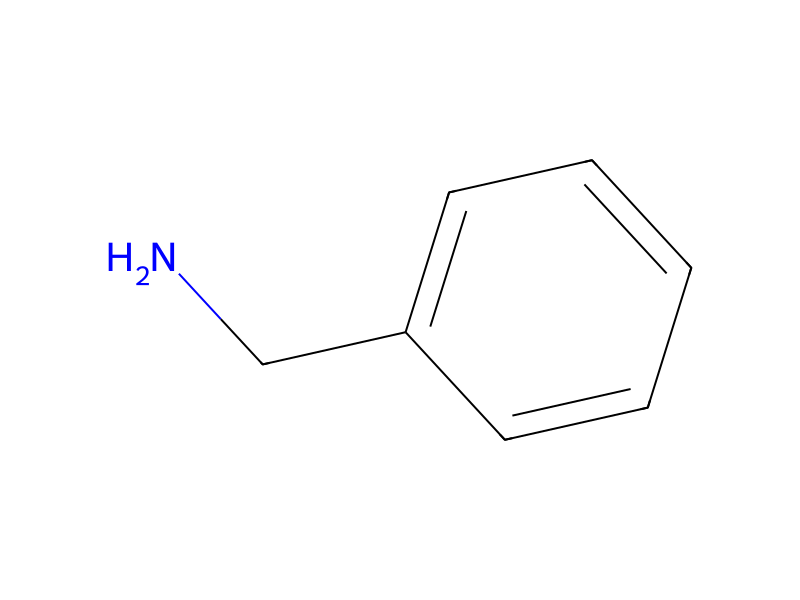
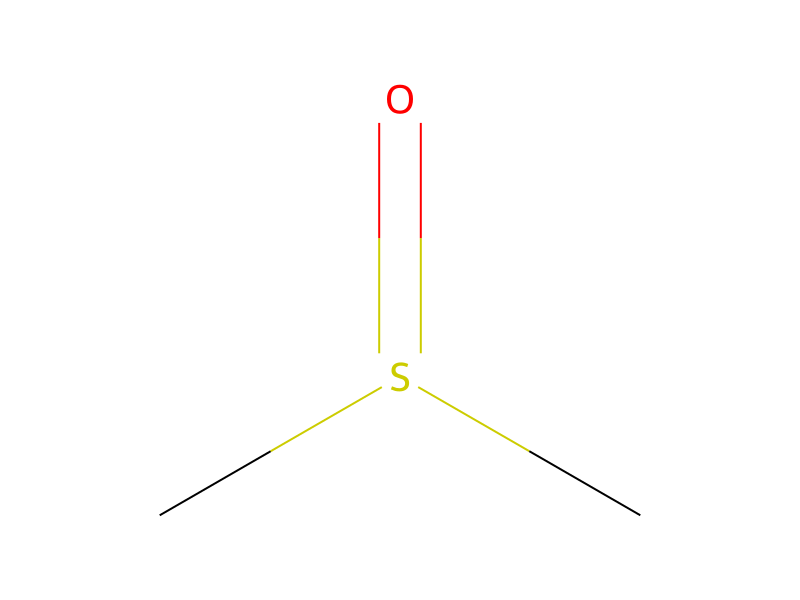
(S)-2-(Toluene-4-sulfonyloxymethyl)-2,3,8,9-tetrahydro-7H-1,4-dioxino[2,3-e]indol-8-one (2.0 g, 5.3 mmole), prepared in the same manner as the (R) enantiomer described above with substitution of (S)- for (R)-glycidyl tosylate, and benzylamine (2.9 ml, 26.7 mmole) were placed in 20 ml of fresh DMSO under nitrogen. The mixture was then heated to 75-80° C. with stirring for 3 hours. After cooling to room temperature, the reaction mixture was partitioned between ethyl acetate and brine. The DMSO layer was extracted with ethyl acetate and the combined ethyl acetate extracts were washed with water to remove trace DMSO, dried over anhydrous sodium sulfate and concentrated in vacuum. The residue was chromatographed on a silica gel column using ethyl acetate as the eluant to yield the free base (1.4 g, 4.5 mmole, 83%) of the expected product as a solidified oil under reduced pressure. The free base was dissolved in 20 ml of ethanol, treated with 0.25 M ethanolic fumaric acid (10 ml) and precipitated with diethyl ether to give the title compound as a pale yellow solid fumarate salt, predominantly in the (R)-configuration, m.p. 195-196° C. This sample, from which the pharmacological results reported in this application were obtained, was determined by chiral HPLC to contain 9% of the (S)-enantiomer.