HomeMCPWorkbenchSkills
HomeWorkbenchNotificationsMe
llms.txt · MCP GuidePrivacy Policy · Terms of Service · Supportv1.8.3
  1. Home
  2. /Reaction

Chlorine → Methyl 2-(chloromethyl)-phenylglyoxylate

HRID 1741576
Print

Reaction equation

HRID 1741576 reaction equation
[CH3:1][C:2]1[CH:7]=[CH:6][CH:5]=[CH:4][C:3]=1[C:8](=[O:13])[C:9]([O:11][CH3:12])=[O:10].[Cl:14]Cl>ClC(Cl)(Cl)Cl>[Cl:14][CH2:1][C:2]1[CH:7]=[CH:6][CH:5]=[CH:4][C:3]=1[C:8](=[O:13])[C:9]([O:11][CH3:12])=[O:10]
ParticipantsProcedureWorkupSources & evidenceReaction notes

Participants

4

Reactant 2

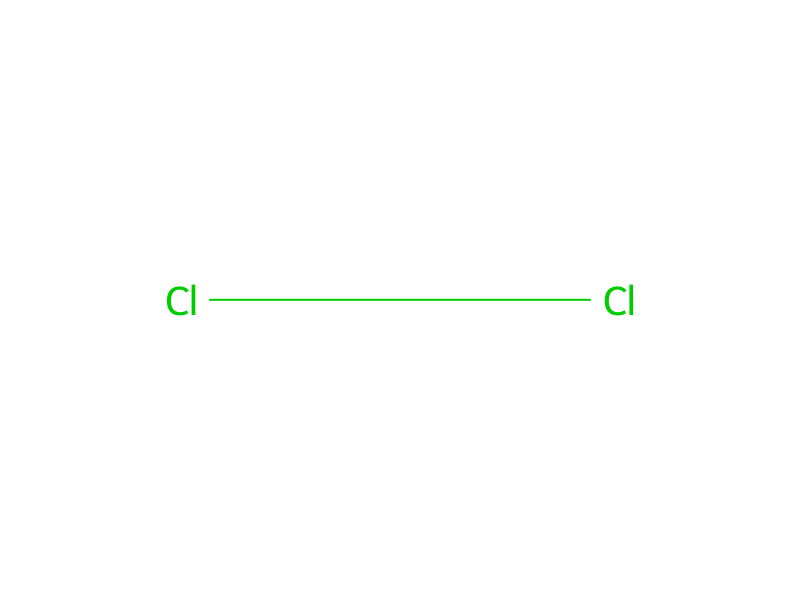
HCID 24526ChlorineHCID 3768392Methyl (2-methylphenyl)(oxo)acetate

Product 1

HCID 14697243Methyl 2-(chloromethyl)-phenylglyoxylateYield 35%

Reagents, catalysts & solvents 1

HCID 5943Carbon TetrachlorideSolvent

Procedure

100 g (0.56 mole) of methyl 2-methylphenylglyoxylate in 600 ml of tetrachloromethane are initially taken. The mixture is then refluxed while being exposed to a 300 W Hg vapor lamp, and 28 g (0.39 mole) of chlorine gas are passed in during this procedure. After a conversion of about 50% (determined by thin-layer chromatography), the reaction is terminated and the mixture is evaporated down. The residue is then subjected to fractional distillation. 29 g of product were obtained as an oil.

Workup

  1. temperatureThe mixture is then refluxed
  2. customAfter a conversion of about 50% (determined by thin-layer chromatography), the reaction is terminated
  3. customthe mixture is evaporated down
  4. distillationThe residue is then subjected to fractional distillation

Sources & evidence

ORD record
ord-1d4bab6beb994ab19355d71509af5ec3
Source dataset
uspto-grants-1994_08
DOI
10.6084/m9.figshare.5104873.v1
Patent number
US05334577

Reaction notes

On this pageParticipantsProcedureWorkupSources & evidenceReaction notes