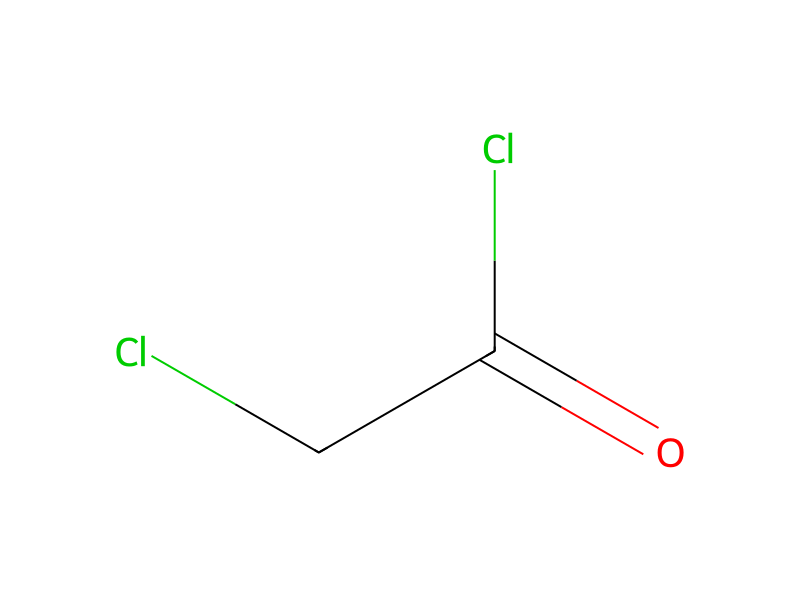
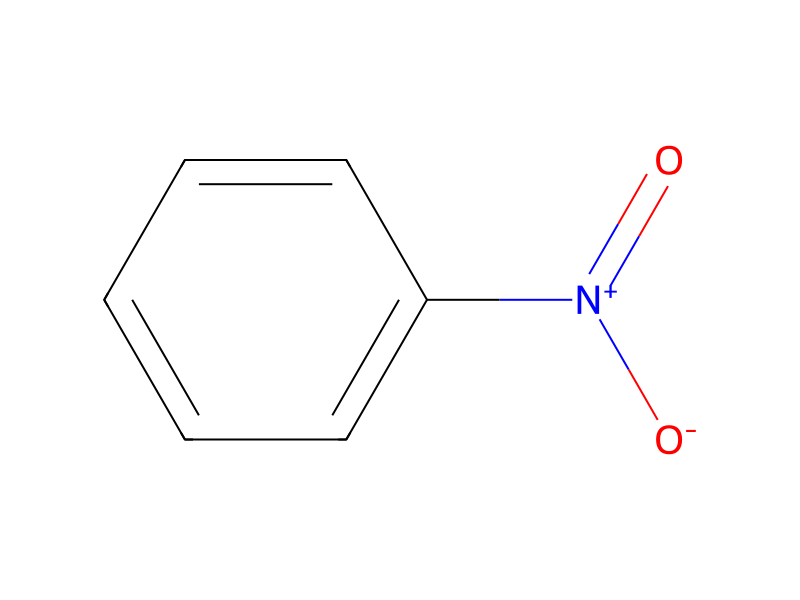
A solution of 4-fluorobenzene-1,3-diol (1.00 g, 7.81 mmol) in nitrobenzene (15 mL) was added with aluminum chloride (3.12 g, 23.4 mmol), and the reaction vessel was cooled to 0° C. The reaction mixture was added dropwise with a solution of chloroacetyl chloride (1.06 g, 9.37 mmol) in nitrobenzene (2 mL), and the mixture was stirred at 40° C. for 6 hours. The reaction mixture was cooled to room temperature, and added with 2 N aqueous sodium hydroxide until the aqueous layer became basic. The aqueous layer was separated, then made acidic with 3 N hydrochloric acid, and extracted with ethyl acetate. The organic layer was washed with saturated brine, and dried over anhydrous magnesium sulfate. The solvent was evaporated, and the resulting residue was purified by silica gel column chromatography (hexane/ethyl acetate) to obtain 5-fluoro-6-hydroxybenzofuran-3(2H)-one (0.190 g, 14%).