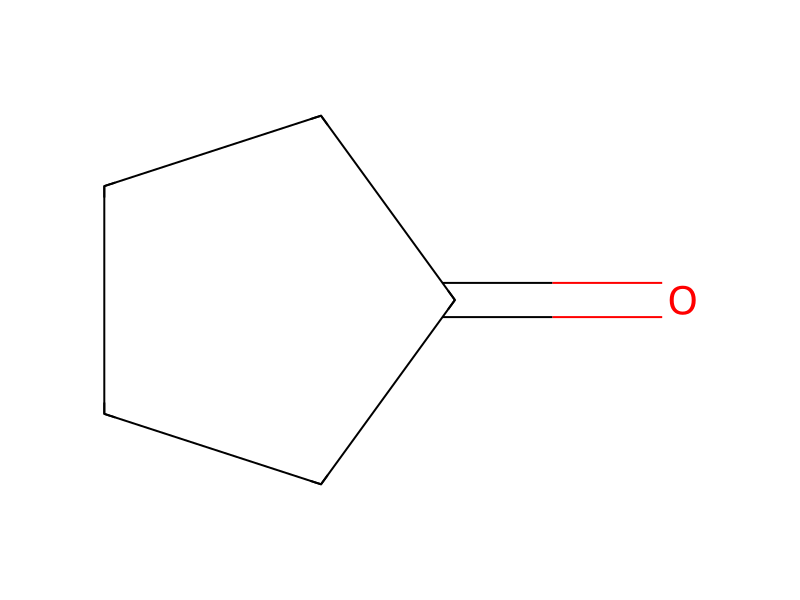
The starting materials are 5,6,7,8,9,10-hexahydro-6,9-methanobenzocyclooctene-11-one and are readily prepared by the reaction of α,α'-dihalo xylene or an appropriately substituted xylene and a cyclic ketone derivative. Thus, for example, reaction of α,α'-dibromo xylene and the pyrrolidine enamine of cyclopentanone or cyclohexanone in an aprotic such as acetonitrile produces the desired 6,9-methanobenzocyclooctene-11-one of the corresponding benzocyclononen-11-one. In order to introduce the phenolic hydroxyl group into the cyclooctene-11-one compounds in a one-step reaction, the starting ketone is treated in strongly acid solution, preferably in trifluoroacetic acid, with thallium trifluoroacetate at a temperature of from 0°-50° C. and preferably between 10°-30° C. The reaction is allowed to proceed for a period of from 1-24 hours and is then treated with an oxidizing agent, as for example lead tetraacetate, and the resulting mixture is then stirred with heating, preferably at reflux temperature of the reaction mixture for a period of from 1-5 hours. The entire reaction mixture is then treated with triphenyl phosphine in order to free the hydroxy cyclooctene-11-one from its complex, and then the desired ketone purified by removal of the reaction solvent by evaporation under reduced pressure followed by extraction of the residual material with chloroform, and the chloroform extract washed with water and dried to yield the desired product, which is conveniently purified by crystallization from a solvent.