Acetohydrazide → 3-Methyl-6-(3-(trifluoromethyl)phenyl)-1,2,4-triazolo(4,3-b)pyridazine
HRID 1763581
Reaction equation

Cl[C:2]1[N:3]=[N:4][C:5]([C:8]2[CH:9]=[C:10]([C:14]([F:17])([F:16])[F:15])[CH:11]=[CH:12][CH:13]=2)=[CH:6][CH:7]=1.[C:18]([NH:21][NH2:22])(=O)[CH3:19]>C(O)CCC>[CH3:19][C:18]1[N:3]2[N:4]=[C:5]([C:8]3[CH:9]=[C:10]([C:14]([F:17])([F:16])[F:15])[CH:11]=[CH:12][CH:13]=3)[CH:6]=[CH:7][C:2]2=[N:22][N:21]=1Participants
4
Reactant 2


Product 1

Reagents, catalysts & solvents 1
Procedure
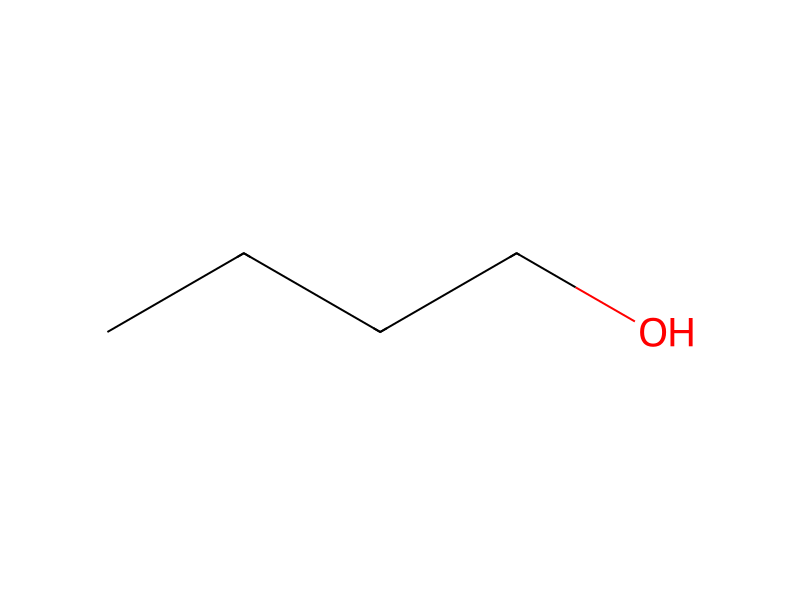
A 6.0 g. portion of 3-chloro-6-(α ,α ,α-trifluoro-m-tolyl)pyridazine (prepared as in Example 11), 3.44 g. of acetylhydrazine and 75 ml. of n-butyl alcohol is refluxed for 48 hours. The solvent is removed under vacuum and the residue dissolved in ethyl alcohol and treated with activated carbon. The filtrate is concentrated, chilled and filtered to give an orange solid. Recrystallization from methyl alcohol affords the product of the example as crystals, m.p. 193°-194° C.