Morpholine → 5-Morpholinocarbonyl-2-(1-naphthylidene)pentanoic acid
HRID 1768578
Reaction equation

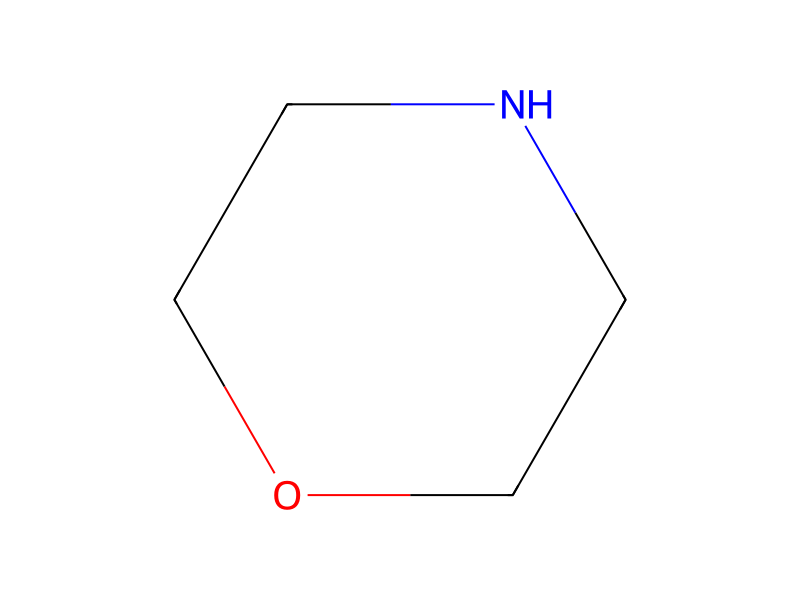
[C:1]1(=[C:11]2[CH2:18][CH2:17][CH2:16][C:15](=[O:19])[O:14][C:12]2=[O:13])[C:10]2[C:5](=[CH:6][CH:7]=[CH:8][CH:9]=2)[CH:4]=[CH:3][CH2:2]1.[NH:20]1[CH2:25][CH2:24][O:23][CH2:22][CH2:21]1>C(Cl)Cl>[O:23]1[CH2:24][CH2:25][N:20]([C:15]([CH2:16][CH2:17][CH2:18][C:11](=[C:1]2[C:10]3[C:5](=[CH:6][CH:7]=[CH:8][CH:9]=3)[CH:4]=[CH:3][CH2:2]2)[C:12]([OH:14])=[O:13])=[O:19])[CH2:21][CH2:22]1Participants
4
Reactant 2

Product 1

Reagents, catalysts & solvents 1

Procedure
To a solution of 4.4 g (16.5 mmole) of 2-(1-naphthylidene)adipic anhydride (prepared as described above) dissolved in 80 ml of methylene chloride were added 1.58 ml (18.2 mmole) of morpholine, and the mixture was stirred at room temperature for 14 hours. At the end of this time, the reaction mixture was washed, in turn, with a 5% w/v aqueous solution of citric acid and with a saturated aqueous solution of sodium chloride and dried over anhydrous sodium sulfate. The mixture was then freed from the solvent by evaporation under reduced pressure, and the residue was purified by silica gel column chromatography (eluent: a 30: 1 by volume mixture of methylene chloride and methanol), to afford 1.12 g of 5-morpholinocarbonyl-2-(1-naphthylidene)pentanoic acid.