2-(5-Benzyloxy-1H-indol-3-yl)-3-(1H-indol-3-yl)maleinimide → HCID 14855719, compound
HRID 1769227
Reaction equation

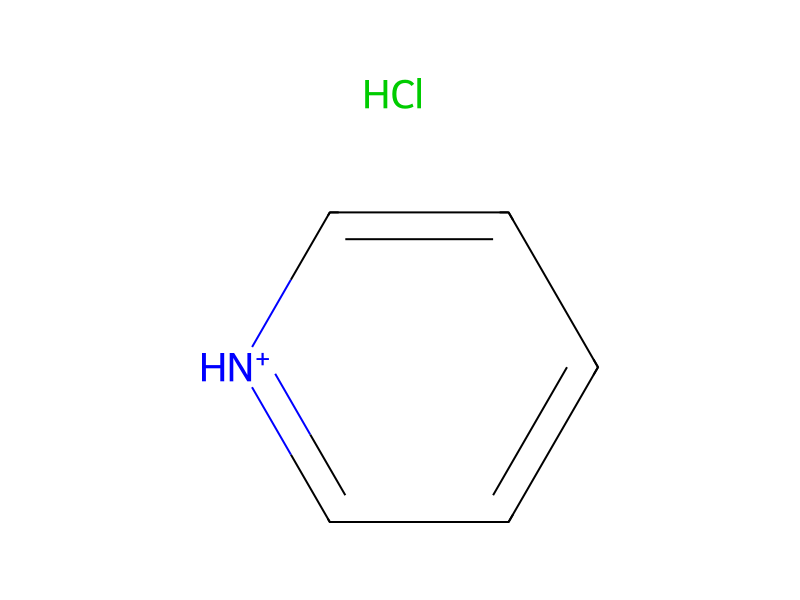
C([O:8][C:9]1[CH:10]=[C:11]2[C:15](=[CH:16][CH:17]=1)[NH:14][CH:13]=[C:12]2[C:18]1[C:19]([NH:21][C:22](=[O:33])[C:23]=1[C:24]1[C:32]2[C:27](=[CH:28][CH:29]=[CH:30][CH:31]=2)[NH:26][CH:25]=1)=[O:20])C1C=CC=CC=1.Cl.[NH+]1C=CC=CC=1>C1(C)C=CC=CC=1.C(O)C>[OH:8][C:9]1[CH:10]=[C:11]2[C:15](=[CH:16][CH:17]=1)[NH:14][CH:13]=[C:12]2[C:18]1[C:19]([NH:21][C:22](=[O:33])[C:23]=1[C:24]1[C:32]2[C:27](=[CH:28][CH:29]=[CH:30][CH:31]=2)[NH:26][CH:25]=1)=[O:20]Participants
4
Reactant 2

Product 1

Reagents, catalysts & solvents 1

Procedure
0.15 g (0.34 mmol) 2-(5-benzyloxy-1H-indol-3-yl)-3-(1H-indol-3-yl)-maleinimide and 4.0 g (34 mmol) pyridinium hydrochloride are heated under an atmosphere of nitrogen for 1 hour at 150° C. After cooling, the reaction mixture is diluted with ice water and extracted with ethyl acetate. The organic phase is washed out with water and evaporated to dryness. The solid residue is triturated with a little water, filtered off with suction and dried in a vacuum at 0.1 Torr and 80° C. There are obtained 85 mg (73% of theory) of dark red product; m.p. 200°-205° C.; RF=0.29 (toluene/ethanol 10:2 v/v).