4-Chlorophenyl Isocyanate → 1,3-Bis[[3-(p-chlorophenyl)-1-cycloheptylureido]methyl]benzene
HRID 1770055
Reaction equation

[CH:1]1([NH:8][CH2:9][C:10]2[CH:15]=[CH:14][CH:13]=[C:12]([CH2:16][NH:17][CH:18]3[CH2:24][CH2:23][CH2:22][CH2:21][CH2:20][CH2:19]3)[CH:11]=2)[CH2:7][CH2:6][CH2:5][CH2:4][CH2:3][CH2:2]1.[Cl:25][C:26]1[CH:31]=[CH:30][C:29]([N:32]=[C:33]=[O:34])=[CH:28][CH:27]=1>CCCCCC>[Cl:25][C:26]1[CH:31]=[CH:30][C:29]([NH:32][C:33](=[O:34])[N:17]([CH2:16][C:12]2[CH:13]=[CH:14][CH:15]=[C:10]([CH2:9][N:8]([CH:1]3[CH2:7][CH2:6][CH2:5][CH2:4][CH2:3][CH2:2]3)[C:33]([NH:32][C:29]3[CH:30]=[CH:31][C:26]([Cl:25])=[CH:27][CH:28]=3)=[O:34])[CH:11]=2)[CH:18]2[CH2:24][CH2:23][CH2:22][CH2:21][CH2:20][CH2:19]2)=[CH:28][CH:27]=1Participants
4
Reactant 2
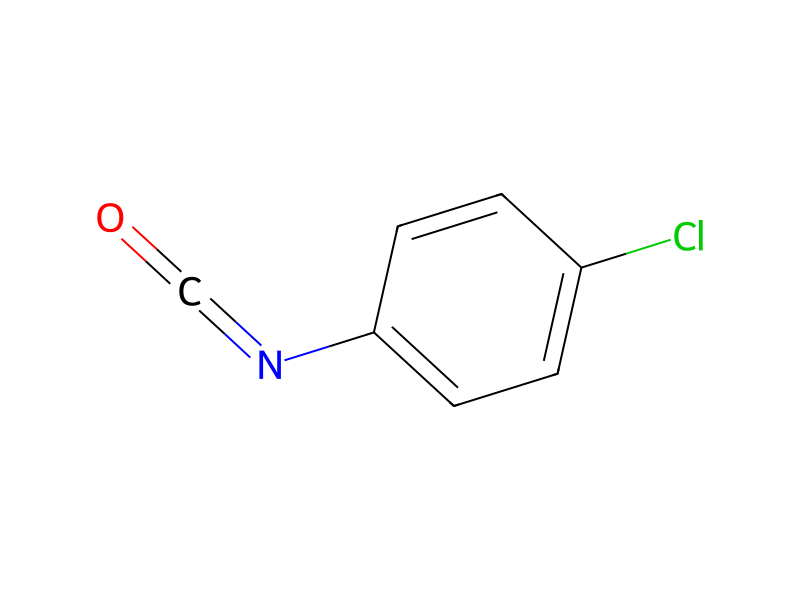

Product 1

Reagents, catalysts & solvents 1

Procedure
To a solution of 0.5 g N,N'-dicycloheptyl-m-xylylenediamine in 50 ml n-hexane, was added dropwise with stirring 5 ml of a n-hexane solution containing 0.25 g 4-chlorophenyl isocyanate under ice cooling, and stirring was continued at room temperature for two hours. After distilling off the solvent under reduced pressure, the residue was purified by silica gel column chromatography, giving 0.9 g of 1,3-bis[[3-(p-chlorophenyl)-1-cycloheptylureido]methyl]benzene as amorphous solid.