HomeMCPWorkbenchSkills
HomeWorkbenchNotificationsMe
llms.txt · MCP GuidePrivacy Policy · Terms of Service · Supportv1.8.0
  1. Home
  2. /Reaction

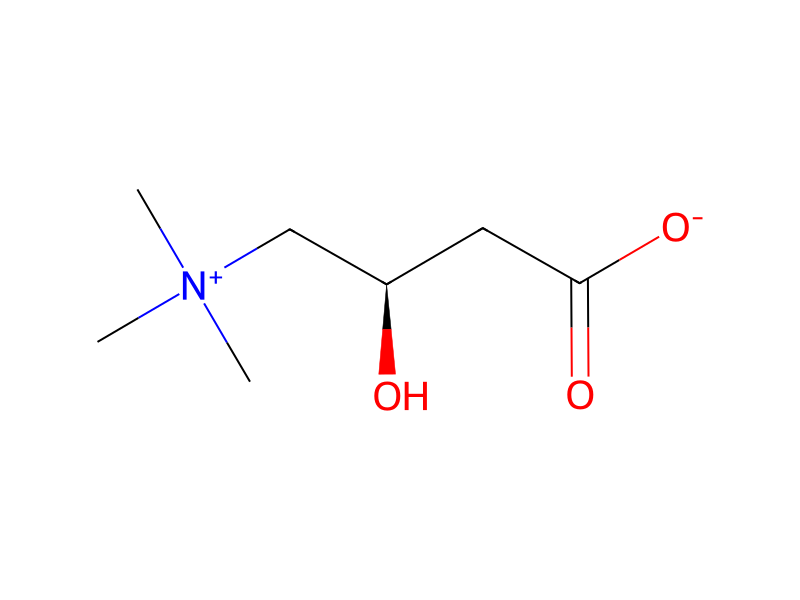
Octanoylcarnitine chloride → (-)-Carnitine

HRID 1770064
Notes
Print preview

Reaction equation

HRID 1770064 reaction equation
C([C@@:10]([CH2:17][C:18](=[O:20])[O-:19])([CH2:12][N+:13]([CH3:16])([CH3:15])[CH3:14])[OH:11])(=O)CCCCCCC.CCCCCCCC(OC(C[N+](C)(C)C)CC(O)=O)=O.[Cl-]>C([O-])(=O)C.P([O-])([O-])([O-])=O.NCC(O)=O.[OH-].[Na+]>[OH:11][C@H:10]([CH2:17][C:18](=[O:19])[O-:20])[CH2:12][N+:13]([CH3:16])([CH3:14])[CH3:15]
ParticipantsProcedureWorkupSources & evidenceReaction notes

Participants

6

Reactant 2

HCID 177508Octanoylcarnitine chlorideHCID 129661706HCID 129661706, compound

Product 1

HCID 10917(-)-Carnitine

Reagents, catalysts & solvents 3

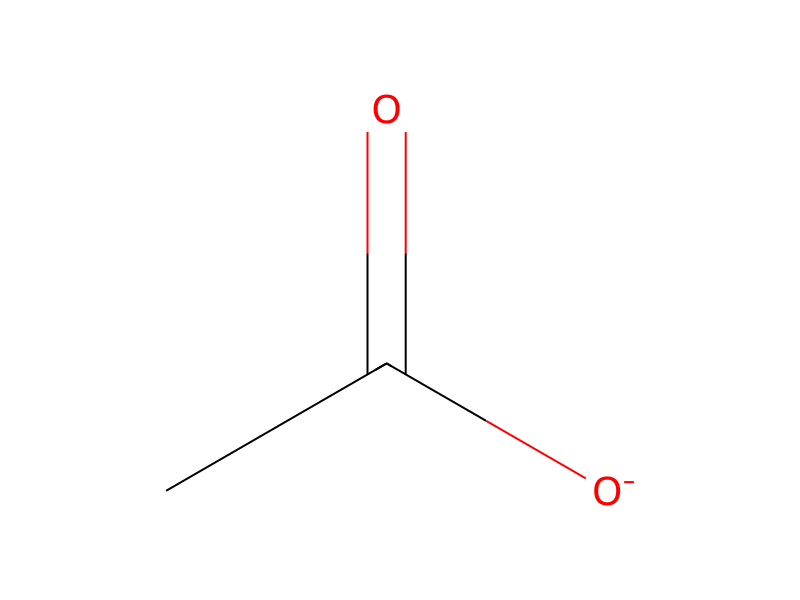
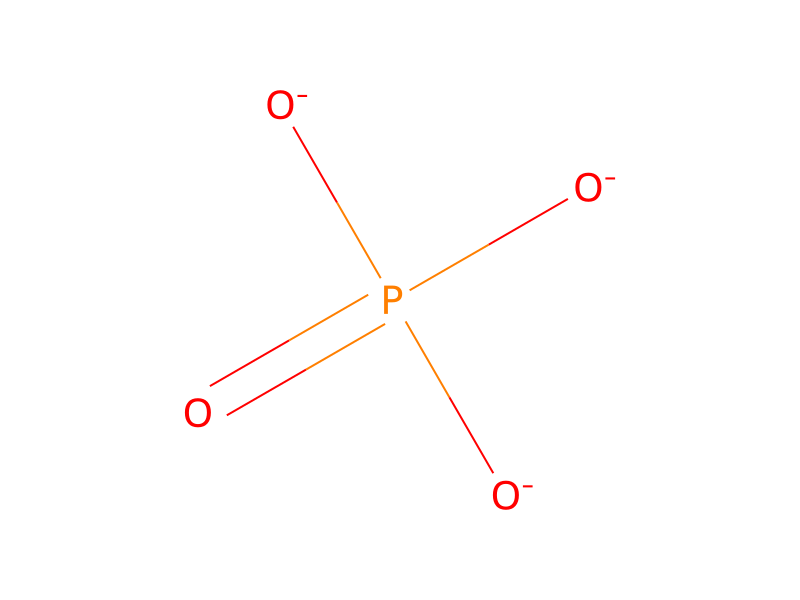
HCID 175AcetateSolventHCID 1061PhosphateSolventHCID 86654294Glycine sodium hydroxide
Solvent

Procedure

Octanoyl-L-carnitine solutions, in 100 mM acetate buffer solution (pH 4.5-6.0), in 100 mM phosphate buffer solution (pH 6.5-8.0), in 100 mM tris-HCl buffer solution (pH 8.0-9.0) and in 100 mM glycine/NaOH buffer solution (pH 9.0-10.0) were prepared with a concentration of octanoyl-carnitine of 0.5 mM for each of the solutions. Each of these solutions was subjected to an enzymatic hydrolysis reaction at 37° C. for 10 hours and the amount of L-carnitine formed thereby was determined. The results of the analysis of L-carnitine are shown on the graph of FIG. 1, which shows the optimum pH at about 8.0, wherein high enzymatic activities above 90% were reached within a wide pH range from 6.5 to 9.5.

Workup

  1. customEach of these solutions was subjected to an enzymatic hydrolysis reaction at 37° C. for 10 hours

Sources & evidence

ORD record
ord-0ec8fde19615407aa134007a106bb18f
Source dataset
uspto-grants-1995_01
DOI
10.6084/m9.figshare.5104873.v1
Patent number
US05385829

Reaction notes

Loading…

On this pageParticipantsProcedureWorkupSources & evidenceReaction notes