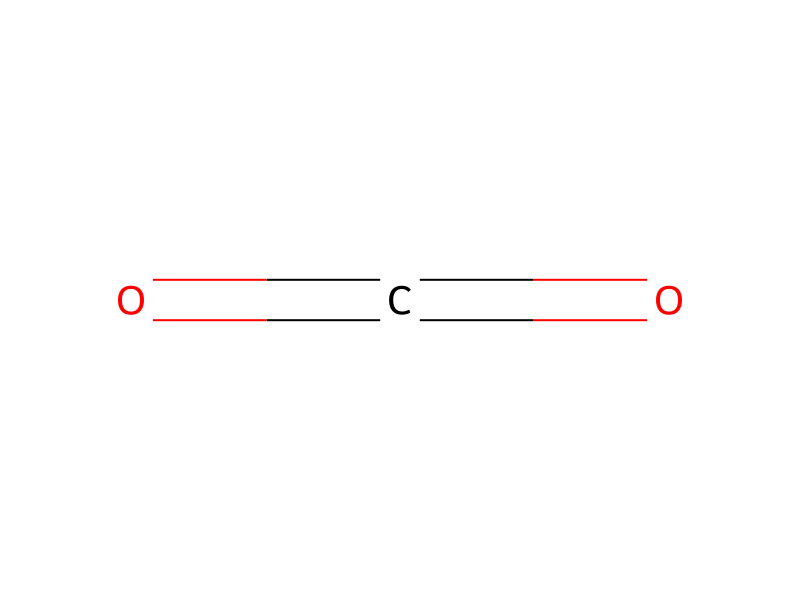
[F:1][C:2]([F:17])([F:16])[C:3]([NH:5][C:6]1[C:11]([S:12][CH3:13])=[CH:10][C:9]([CH3:14])=[CH:8][C:7]=1Br)=[O:4].C([Li])CCC.[C:23](=[O:25])=[O:24]>C(OCC)C.CCCCCC>[CH3:14][C:9]1[CH:10]=[C:11]([S:12][CH3:13])[C:6]([NH:5][C:3](=[O:4])[C:2]([F:17])([F:16])[F:1])=[C:7]([CH:8]=1)[C:23]([OH:25])=[O:24]Under an atmosphere of argon, 46.6 g (142 mmol) of N-(trifluoroacetyl)-2-bromo-4-methyl-6-(methylthio)aniline in 750 ml of dry diethyl ether were cooled to a temperature of −65° C. At this temperature, 119 ml of a 2.5M solution (297.5 mmol) of n-butyllithium in hexane were added dropwise. The mixture was subsequently stirred at this temperature for 2 h. The contents were then carefully poured onto a mixture of 62.5 g (1.42 mol) of carbon dioxide (as dry ice ground in a mortar) and 150 ml of dry ether. The mixture was thawed to RT and extracted three times with water. The combined aqueous phases were acidified to pH<2 with dilute hydrochloric acid and cooled to a temperature of 0° C.-5° C. The mixture was filtered, giving 31.0 g of 5-methyl-3-(methylthio)-2-(trifluoroacetylamino)benzoic acid as residue.