HomeMCPWorkbenchSkills
HomeWorkbenchNotificationsMe
llms.txt · MCP GuidePrivacy Policy · Terms of Service · Supportv1.8.3
  1. Home
  2. /Reaction

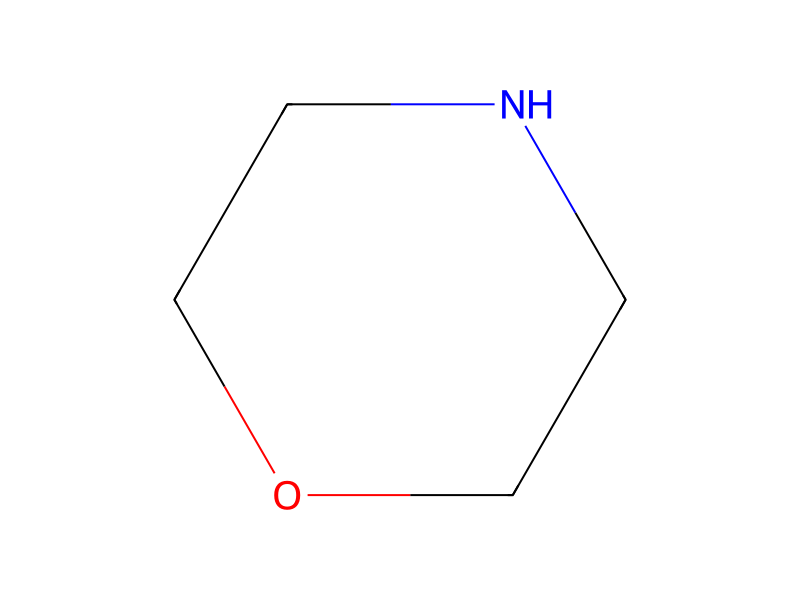
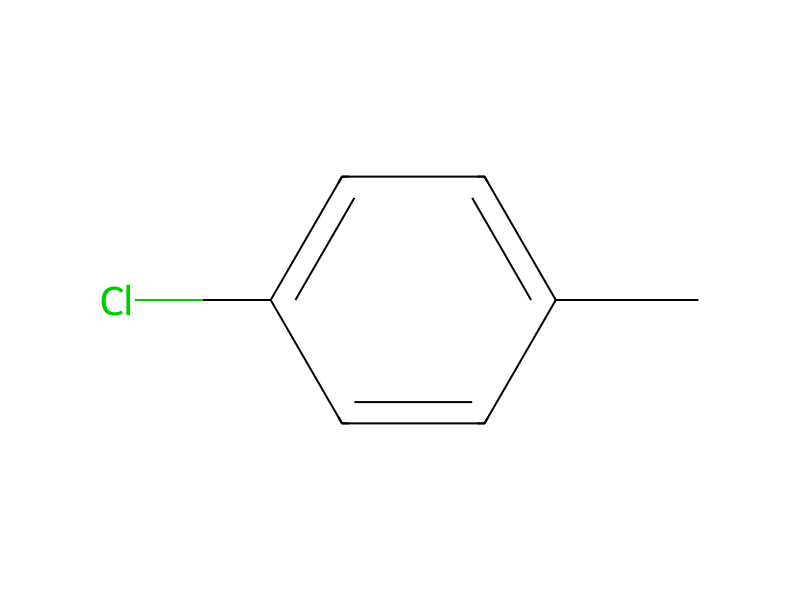
4-Chlorotoluene → 4-(p-Tolyl)morpholine

HRID 1778641
Print

Reaction equation

HRID 1778641 reaction equation
CC(C)([O-])C.[Na+].P.Cl[C:9]1[CH:14]=[CH:13][C:12]([CH3:15])=[CH:11][CH:10]=1.[NH:16]1[CH2:21][CH2:20][O:19][CH2:18][CH2:17]1>C(#N)C.C(Cl)Cl.C1C=CC(/C=C/C(/C=C/C2C=CC=CC=2)=O)=CC=1.C1C=CC(/C=C/C(/C=C/C2C=CC=CC=2)=O)=CC=1.C1C=CC(/C=C/C(/C=C/C2C=CC=CC=2)=O)=CC=1.[Pd].[Pd].O1CCOCC1>[C:12]1([CH3:15])[CH:13]=[CH:14][C:9]([N:16]2[CH2:21][CH2:20][O:19][CH2:18][CH2:17]2)=[CH:10][CH:11]=1
ParticipantsConditionsProcedureWorkupSources & evidenceReaction notes

Participants

9

Reactant 4

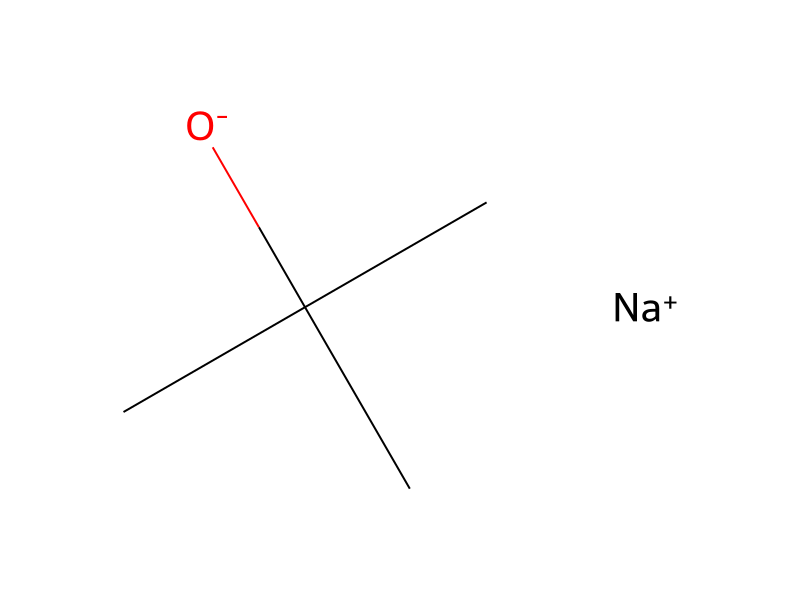
HCID 78104-ChlorotolueneHCID 8083MorpholineHCID 24404PhosphineHCID 23676156Sodium t-butoxide

Product 1

HCID 7662554-(p-Tolyl)morpholine

Reagents, catalysts & solvents 4

HCID 9811564Bis(dibenzylideneacetone)palladium
Catalyst
HCID 6342AcetonitrileSolvent
HCID 6344DichloromethaneSolvent
HCID 312751,4-DioxaneSolvent

Conditions

Temperature
100 °C

Procedure

In a nitrogen-atmosphere glovebox, a microwave vial equipped with a magnetic stir bar was charged with sodium tert-butoxide (56.9 mg, 0.592 mmol, 1.5 equivalents), tris(dibenzylideneacetone)dipalladium(0) (Pd2dba3) (3.62 mg, 0.00395 mmol, 0.01 equivalents), phosphine ligand (0.00869 mmol, 0.022 equivalents) and dioxane (0.79 mL). To the slurry was added 4-chlorotoluene (47 μL, 0.395 mmol, 1 equivalents) and morpholine (42 μL, 0.474 mmol, 1.2 equivalents). The vial was sealed with a crimp top and stirred at 100° C. After 14 hours, the vial was removed from the heating block, cooled to room temperature and brought out of the glovebox. To assay the crude reaction, an aliquot (7 μL) was taken and diluted in acetonitrile (1.5 mL), then injected onto an HPLC instrument. For isolation purposes, the reaction solution was worked up by diluting with CH2Cl2 (2 mL) and filtering into a round-bottom flask. The vial was rinsed with CH2Cl2 (5 mL), followed by washing of the filter cake CH2Cl2 (2 mL). The volatiles were removed on a rotary evaporator and the crude concentrate was purified by silica gel column chromatography (25 g silica gel, 85:15 heptane:ethyl acetate). The purified product was isolated as a beige solid. 1H NMR (400 MHz, CDCl3) δ ppm 7.10 (d, J=8.2 Hz, 1H), 6.88-6.81 (m, 2H), 3.87 (dd, J=5.7, 3.9 Hz, 4H). 3.15-3.09 (m, 4H), 2.29 (s, 3H).

Workup

  1. customIn a nitrogen-atmosphere glovebox, a microwave vial equipped with a magnetic stir bar
  2. customThe vial was sealed with a crimp top
  3. customthe vial was removed from the heating block
  4. temperaturecooled to room temperature
  5. customreaction
  6. filtrationfiltering into a round-bottom flask
  7. washThe vial was rinsed with CH2Cl2 (5 mL)
  8. washby washing of the filter cake CH2Cl2 (2 mL)
  9. customThe volatiles were removed on a rotary evaporator
  10. concentrationthe crude concentrate
  11. customwas purified by silica gel column chromatography (25 g silica gel, 85:15 heptane:ethyl acetate)
  12. customThe purified product was isolated as a beige solid

Sources & evidence

ORD record
ord-0edda25c9c9846a29bdef4ff3135a69c
Source dataset
uspto-grants-2016_02
DOI
10.6084/m9.figshare.5104873.v1
Patent number
US09266913B2

Reaction notes

On this pageParticipantsConditionsProcedureWorkupSources & evidenceReaction notes